
Technical Dossier
Structural performance, freeze-thaw, heat, military acceptance, ecological harmlessness and carbon footprint.

LL-TEQ™ · Technical DocumentTechnical Dossier
The cold in-place stabilized pavement, from structure to carbon
Structural Performance
In-service strength exceeds the laboratory cylinder
The unconfined laboratory cylinder value is not the in-service performance: it is a floor that the confined layer exceeds.
Why it matters. In service, the LL30 layer is laterally confined by the surrounding treated material and cannot expand. The laboratory cylinder, however, is tested without confinement, under conditions that do not exist on the road. A pile of sand spreads out under your weight; the same sand in a rigid bucket carries far more. The sand has not changed, the confinement changes what it carries. In-service strength therefore exceeds the laboratory value.
Real aircraft loads, measured in the field
| Structural watertightness | Hydraulic conductivity drops by about an order of magnitude, from 6.0 × 10⁻⁸ to 5.9 × 10⁻⁹ cm/s (ASTM D5084). |
| Thermal stability | The rut stays at 1.33 mm at 25 degrees and 1.29 mm at 35 degrees: no softening in the heat, no hardening with age. |
| Immediate bearing (IPI) | IPI of 200 to 335 depending on dosage after drying, or about 3 to 5 times the untreated reference (IPI 68). |
Source: Engineering dossier PRV-01, Structural performance, Mark D. Hardy, P.E., Hardy Engineering, Santa Monica, CA.
Freeze-Thaw Performance
Nine pavements in real service, zero freeze-thaw defects
Nine pavements in real service, up to 172 freeze cycles per year, no defects, on a layer far thinner than in Quebec.
Benton Harbor (Michigan)
LL-TEQ 150 mm
Quebec 550 to 950 mm
Alexandria (Virginia)
LL-TEQ 150 mm
Quebec 550 to 950 mm
Rockford (Illinois)
LL-TEQ 150 mm
Quebec 750 to 1,150 mm
Glenview (Illinois)
LL-TEQ 150 mm
Quebec 550 to 950 mm
East Chicago (Indiana)
LL-TEQ 150 mm
Quebec 1,000 to 1,500 mm
Elgin (Illinois)
LL-TEQ 150 mm
Quebec 750 to 1,150 mm
Bridgeport (California)
LL-TEQ 200 mm
Quebec 1,000 to 1,500 mm
Big Bear Lake (California)
LL-TEQ 150 mm
Quebec 550 to 950 mm
Bessemer (Alabama)
LL-TEQ 150 mm
Quebec 550 to 950 mm
The six freeze-thaw defects sought at every site, all absent
| Longitudinal and transverse cracks | Thermal shrinkage of the asphalt matrix over the cycles. |
| Alligator cracking | Crocodile-skin fatigue, amplified by freeze-thaw of the base. |
| Frost heave | Ice lenses formed in a frost-susceptible underlying soil. |
| Slippage cracking | Debonding of an overlaid surface course. |
| Pothole | Ejection of material from cracks, under water and frost. |
| Rutting | Permanent deformation in the wheel paths during thaw. |
Climate benchmark, Montreal: about 75 freeze-thaw cycles per year (Köppen Dfb); five of the nine sites exceed that rate. Equivalent Quebec thickness: 550 to 1,500 mm depending on the road category, versus 150 mm for LL-TEQ (200 mm at Bridgeport).
Source: Engineering dossier PRV-02, Freeze-thaw performance, Mark D. Hardy, P.E., Hardy Engineering.
Heat Resistance
Bitumen fails because it melts; LL-TEQ does not melt
Bitumen fails because it melts. LL-TEQ, by contrast, does not melt.
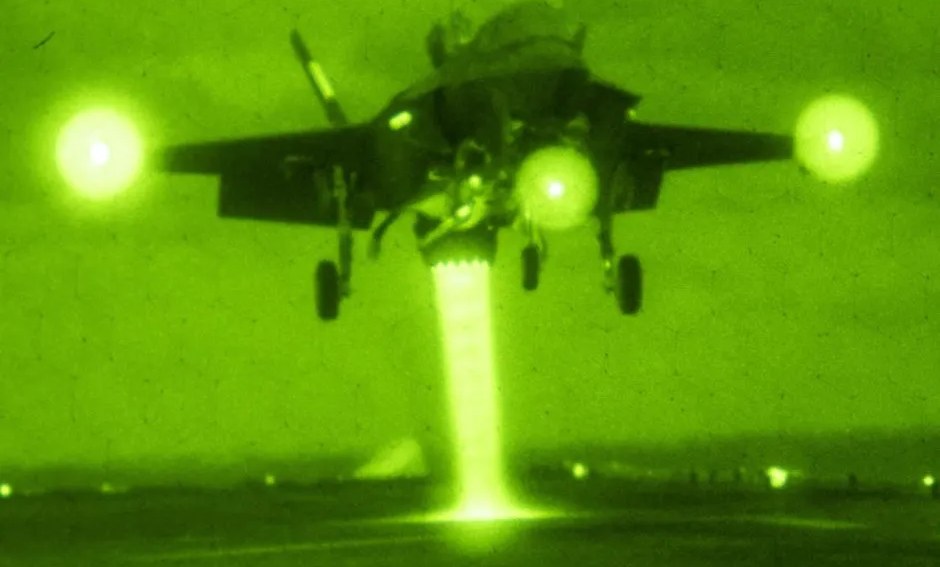
Why it holds. Ordinary hot-mix (asphalt) fails because of its binder, bitumen, which softens as low as 45 to 65 degrees then melts. LL-TEQ does not melt: its polymer binder does not soften, and nearly 98 % of the layer is mineral, inert at these temperatures. Under extreme heat, only the surface chars over 1 to 3 mm and forms a shield, like an atmospheric re-entry shield; beneath it, the material stays cool and the structure holds.
Observed in real service, under the jet of an F-35B
| Does not melt | Non-thermoplastic polymer binder and a nearly 98 % mineral skeleton, inert at the temperatures involved. |
| Surface shield | The layer chars over 1 to 3 mm and protects what is beneath, which stays cool; the structure is not affected. |
| Enormous margin | A summer pavement caps out around 60 degrees, a vehicle fire around 600 to 900 degrees: LL-TEQ withstands well beyond. |
Source: Engineering dossier PRV-03, Heat resistance, Mark D. Hardy, P.E., Hardy Engineering.
Military Acceptance
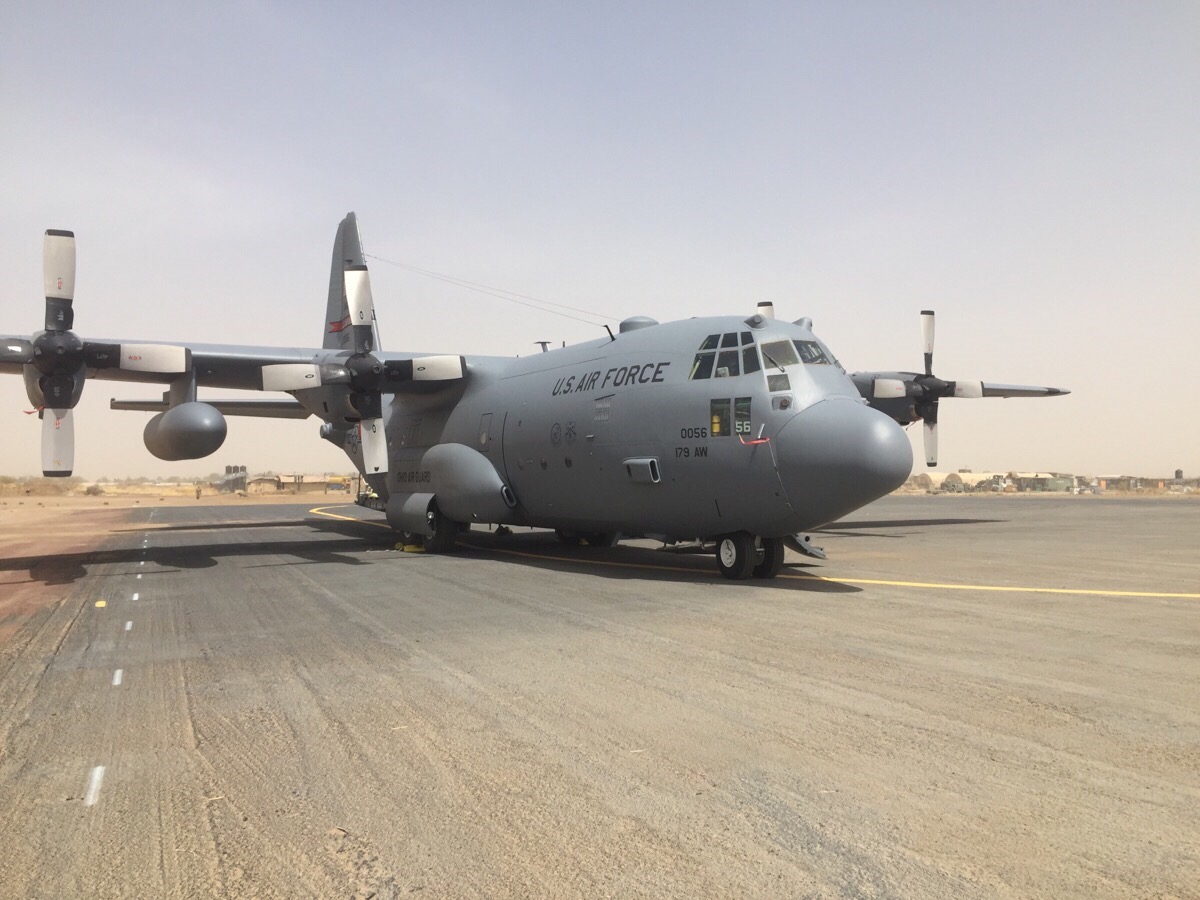
Certified as the final wearing surface under aircraft loads
The LL-TEQ system has been deployed and certified as the final wearing surface under military aircraft loads: what carries the heaviest carries the lightest.
What it proves. The allowable-passes ratings are not laboratory projections: they derive from CBR measured by DCP in the field, processed by PCASE 2.09, the official USACE / ERDC tool. They were certified by named military authorities, the USAF AFSOC and the USMC. The military envelope bounds ordinary road use from above on every axis: load, speed and surface conditions.
Certified under the US military pavement standards framework
| Mocoron, Honduras (2015) | Runway evaluated by 28 DCP readings; PCASE ratings certified by USAF AFSOC for C-17 and C-130. Surface CBR 30.9. |
| N'Djamena, Chad (2016) | Taxiway and apron built under US Air Force specification for Flintlock 17, review signed by a P.E. |
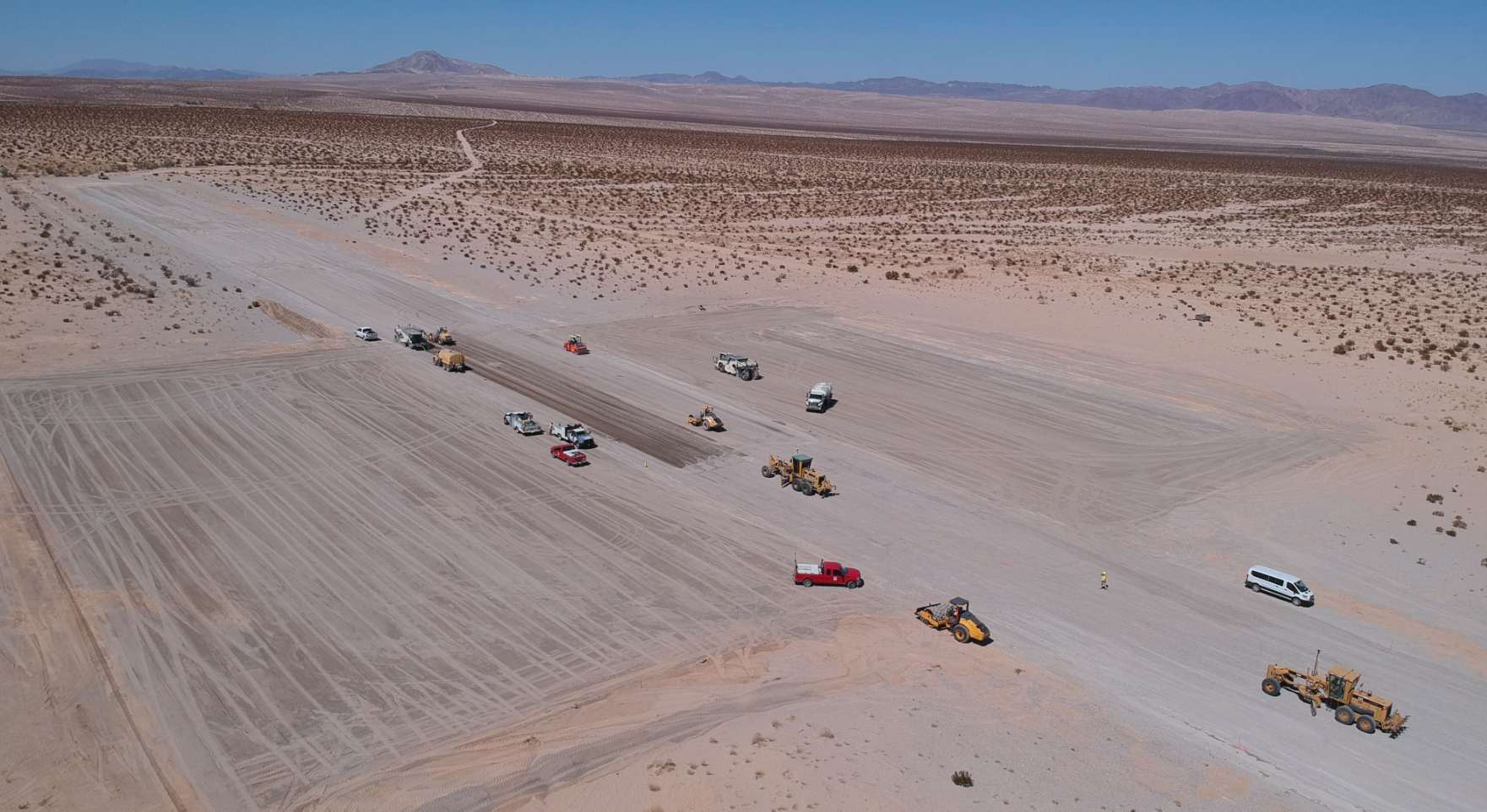
| 29 Palms, expeditionary airstrip (2024) | About 35,000 m2 placed in 4 days, at 100 % native soil with a cold recycler, USMC supervision. |
Source: Engineering dossier PRV-04, Military acceptance and in-service performance, Mark D. Hardy, engineer (PE 36538), Hardy Engineering.
Ecological Harmlessness
The water that leaves the road does not pollute
The water that leaves the road does not pollute: poured undiluted on living organisms, it does not kill them, and the sealed layer keeps water from carrying anything down to the soil and the water table.
Measured, not guessed. Rather than judging the material by its ingredient list, rainwater run off the road was poured, pure and undiluted, onto sentinel aquatic organisms. After 48 hours, they were living as well as in clean laboratory water.
Recognized by US federal authorities
| Proven on living organisms | Pure road water was poured on sensitive organisms, and they survived. Not a prediction drawn from a recipe, a direct measurement. |
| Nothing migrates | The hardened layer is almost impermeable. Water does not flow through it and carries nothing down to the soil or the water table beneath the road. |
| Water-based, not petroleum | A water-based emulsion binds the soil in place, without the dark petroleum-derived bitumen, without any listed carcinogen, not classified as hazardous. |
Source: Dossier PRV-05, Ecological harmlessness. Acute toxicity bioassay on runoff (WET): Coastal Bioanalysts, Inc., Peter F. De Lisle, Ph.D., NELAP/TNI-accredited laboratory. EPA Methods 2000.0 and 2002.0.
Carbon Footprint
Nearly six times less carbon than hot-mix asphalt
For the same road, LL-TEQ weighs nearly six times less in carbon than hot-mix asphalt, compared layer by layer on a real Quebec Ministry of Transport structure.
Compared at equal function. The two pavements do the same job on the same highway. The calculation is even conservative: LL-TEQ is counted in full, manufactured, placed and transported, whereas hot-mix asphalt is counted without its placement, for lack of public data. The real gap therefore leans even further in favor of LL-TEQ.
Carbon per kilometer of road, in tonnes CO2e
For 1 km of two lanes (7,000 m2), at day 1, transport included.
And the gap widens: about 203 t versus 970 t per km over 40 years, maintenance and rehabilitation included.
| Less material | 150 mm of soil treated in place rather than 1,080 mm of imported stone and hot-mix asphalt, so far less to extract, manufacture and truck. |
| Cold-placed | No plant heating bitumen and aggregates to high temperature, the emulsion is spread at ambient temperature. |
| Durable | Surfaces in service since 2014 with no documented structural rehabilitation. Every rehabilitation avoided means tonnes of carbon less. |
Source: Dossier PRV-06, Comparative carbon footprint. Reference structure: Volume II of the Quebec Ministry of Transport. Public emission factors: NAPA (hot-mix asphalt), PlasticsEurope (polymer), EPA (transport and car equivalence). Order-of-magnitude comparison.
Applications and Processes
Installation of the cold in-place stabilized pavement
Process 1: full pavement, from milling to sealing
Integration of LL30 through the full project thickness (50 to 200 mm), compacted to 95 %+, followed by an LL25 surface seal. The grader follows the stabilizer directly; the sequence is milling, shaping, first compaction, finish grading, final compaction, sealing.
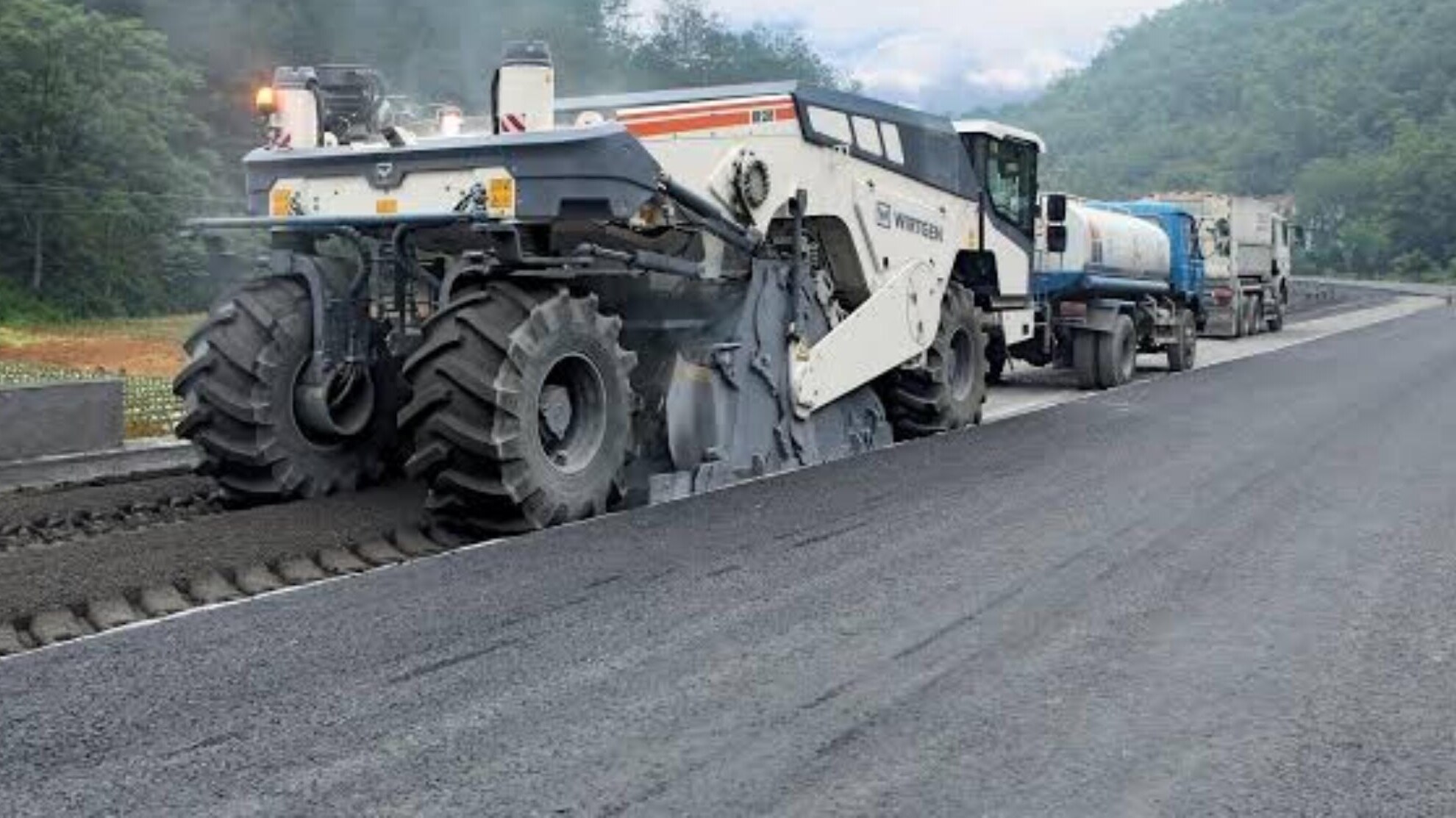
Milling and integration
Integrate LL30 with the stabilizer (cold recycler) to the target depth, 50 to 200 mm, over a stable base of asphalt, native soil or gravel.
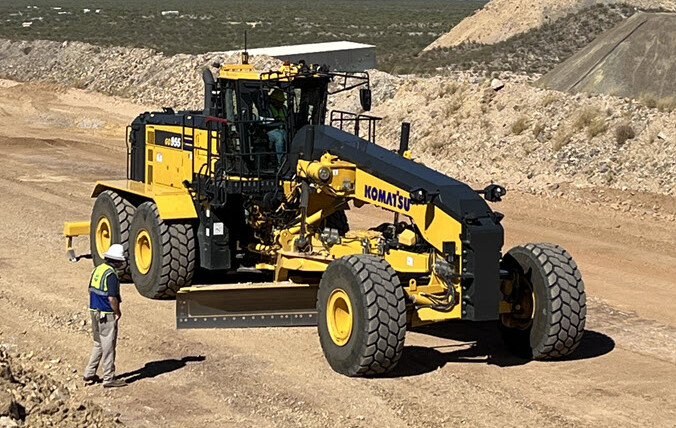
Shaping
The grader follows directly behind the stabilizer and shapes to the geometry set by the project.
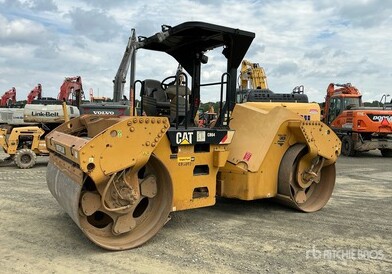
First compaction
Steel double-drum roller; protects the surface. In case of rain, push to 95 %+ without waiting.
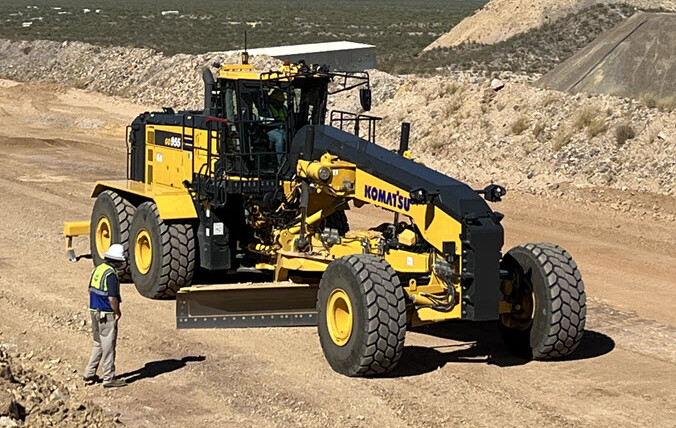
Finish grading
Grader pass for the final surface adjustment before final compaction.
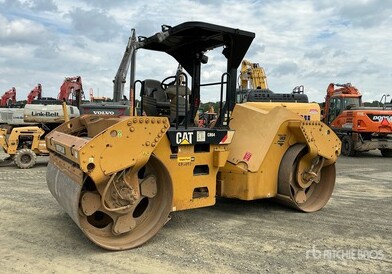
Final compaction
Compact in cross passes to 95 %+. Verification by the accredited contractor.
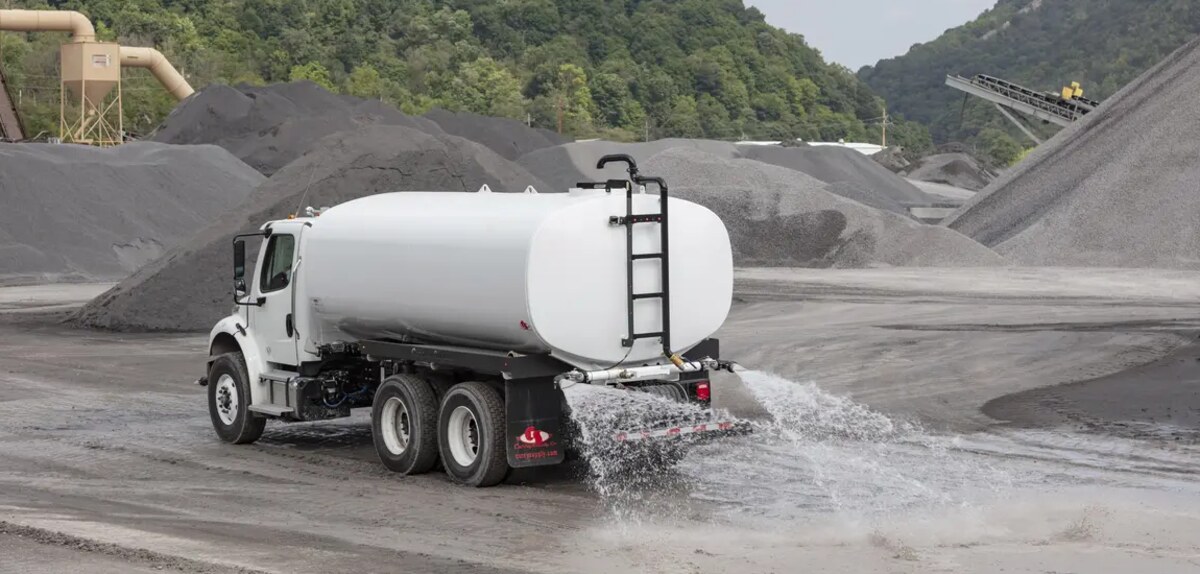
LL25 sealing
After 2 h, apply LL25 from the tanker truck's rear spray bar to uniform surface saturation.
Conditions and control points. Unfrozen and stable base, ambient and base temperatures above 5 °C. Do not work in the rain. OMC checked every 25 m behind the stabilizer. Final compaction to 95 %+ in cross passes. A 2 h delay after final compaction before sealing. Cure by evaporation, minimum 12 h; reopening when the surface is no longer tacky to the touch, at the judgment of the accredited contractor.
Process 2: LL25 surface seal alone on existing asphalt
LL25 is a water-based polymeric binder applied at the surface. It reduces water penetration and limits the effects of asphalt aging; primary use, protecting and extending the service life of asphalt surfaces. It also applies directly on native soil or gravel, to seal and bind the surface where there is no asphalt. Surface penetration of about 20 mm. Unfrozen base, temperature above 5 °C.
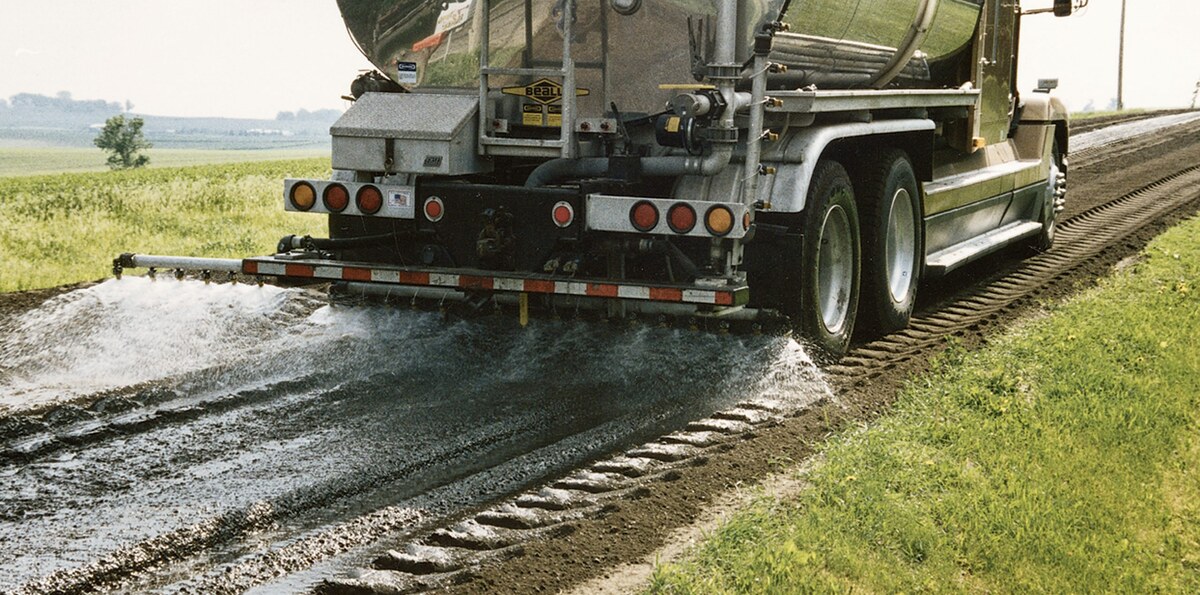
Inspect and validate the base stability; clean, remove contaminants, correct major defects. On asphalt, the surface must be dry.
Spray LL25 uniformly with the calibrated spray bar (tanker truck or distributor).
Apply additional passes to uniform surface saturation, depending on the base absorption.
Allow to cure undisturbed: at least 3 h without rain, no traffic before the surface sets.
Reference: Document prepared by LL-TEQ. Ref.: TEQ-01 (pavement process) and TEQ-20 (LL25 Technical Manual, Rev. B). The sizing and acceptance of the work fall to the project designer.
Repair: Trenches and Potholes
The repair becomes a continuous layer again, not a joint that fails
No potholes
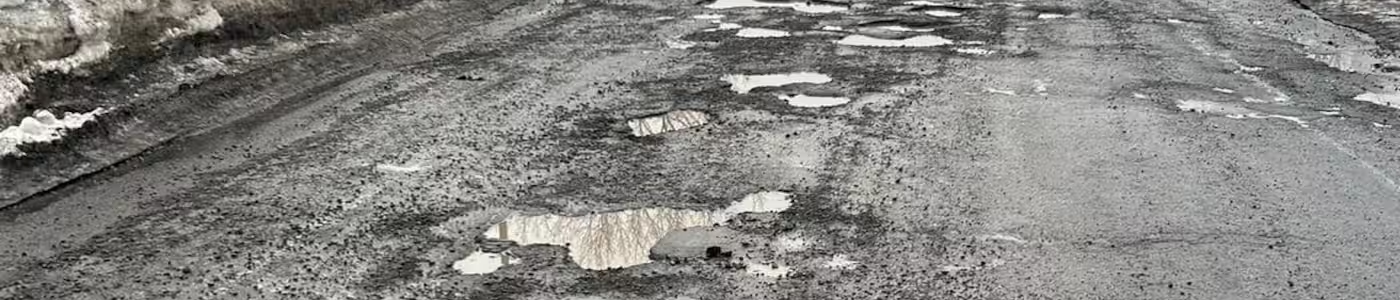
Ordinary asphalt holes over in spring. An LL-TEQ pavement does not hole over: no water, no crack, no pothole.
Why it does not happen. A pothole comes from a chain: water enters through a crack, freezes and thaws, breaks up the base, traffic tears out the piece. LL-TEQ breaks that chain: no water entering, no crack to start it, no frost damage.
Trench reinstatement
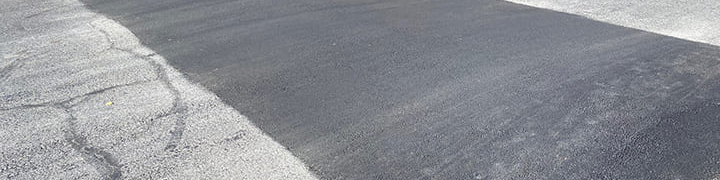
The trench becomes a continuous layer again, not a joint that eventually fails: reclosed without dowels, with ordinary road equipment.
Sources: LL-TEQ PRV-01, PRV-02, STR-7, PRV-04 (structure, freeze-thaw, permeability, military acceptance); procedure TEQ-03 (trench).
The Science Behind the Technology
Keeping water out, everywhere in the structure
LL-TEQ keeps water from entering the soil, everywhere in the structure, not just at the surface. That is what ends the freeze-thaw cycle that bursts our roads from the inside.
How it works, in three steps
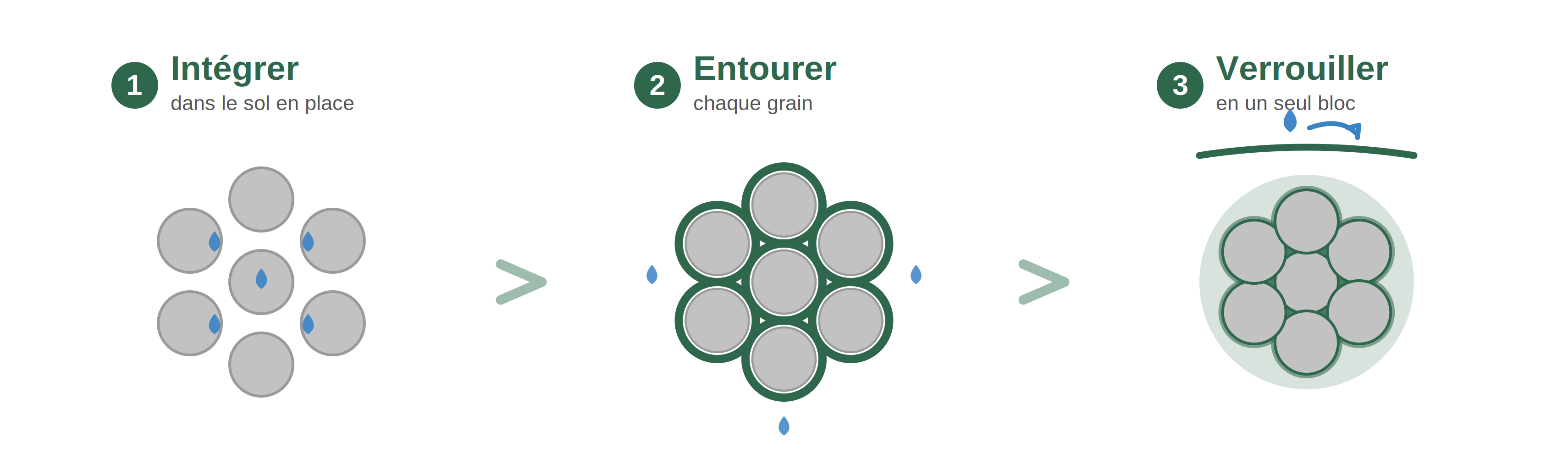
No added materials: the soil already in place is transformed into a sealed matrix. Water can no longer enter, even under full submersion.
Rigid, but with memory. Like rubber that is stretched and springs back to shape, the polymer combines hard segments that carry the load and soft segments that absorb frost and pressure variations. The treated soil stays solid as a block, with just enough flexibility not to crack after years of freeze-thaw.
A product that changes state at the right moment
| High bearing capacity | The load spreads through the whole treated volume. No weak point, no zone that sags first. |
| Fatigue resistance | The structure withstands repeated passes of trucks and heavy equipment without degradation. |
| Water resistance | It stays stable even in wet conditions or under full submersion. |
Source: LL-TEQ dossier, how the process works. Internal document, unsigned. The measured performance is detailed in dossiers PRV-01 (structural performance) and PRV-02 (freeze-thaw).
Who is LANDLOCK™
Born in Chicago, proven by winters like ours
Born in Chicago, proven in winters as harsh as ours, LANDLOCK™'s technology has since traveled all the way to the US border wall.
The same climate as ours. Several reference pavements are in Chicago and its region, in fine soils comparable to the clays of the St. Lawrence Lowlands, under polar-vortex winters. The East Chicago arterial road has withstood more than a million heavy-axle passes on only 150 mm. What holds there holds here.
Where the technology comes from
| Named by the military | The US Army Corps of Engineers named OPS-DIRT, LANDLOCK™'s product, in the Arizona border-wall specification (2019). |
| Proven everywhere | 20 military sites across 14 countries, from the deserts of Arizona to Chad, Niger and Kuwait, certified for thousands of heavy-aircraft passes. |
| The same product here | LL30 and LL25 are the military products OPS30 and OPS25: the exact material, distributed in Quebec by LL-TEQ. |
Source: LL-TEQ dossier. Founders and identity: LANDLOCK™ identity statement (Chicago). Winters and East Chicago: freeze-thaw dossier PRV-02. Border wall: US Army Corps of Engineers, solicitation W912PL19R0093 (2019). Military deployments: dossier PRV-04.
In Summary
A single system, cold-formed in place
A single system, cold-formed in place, that transforms the soil into one structure: structural, durable, safe and far lower in carbon.
The same integration meets every requirement
The common thread. The performance does not come from a layer laid over the soil, but from the soil itself transformed into a cohesive, non-thermoplastic and watertight matrix. The same integration explains the bearing capacity under aircraft loads, the resistance to Quebec freeze-thaw, the resistance to extreme heat, the measured ecological harmlessness and the reduced carbon footprint.
What the dossier establishes, and its limitations
| Established by the data | Strengths, ruts, freeze-thaw cycles, military allowable-passes ratings and toxicity tests come from referenced tests and in-service observations. |
| Acknowledged bounds | CHAUSSÉE 2 resilient modulus (LC 22-400), chronic harmlessness and TCLP analysis remain to be produced or accepted by the regulator. |
| Design responsibility | The sizing and acceptance of a specific work fall to the design engineer under the applicable jurisdiction. |
LL-TEQ · Quebec, Canada · June 2026
Contact us