
By profile · Citizen
The road in front of your home, explained simply
Your first question is fair: is it safe, and why is my town using it? Short answer: a cold process, non-toxic to water under recognized testing, that reuses the existing road — fewer repeat rebuilds paid for by taxes.
Your top concern
Is it safe for water and the environment?
It is the right question to ask. The product underwent acute aquatic-toxicity testing under recognized EPA methods (equivalent to Environment Canada's Canadian protocols). On two sensitive species, undiluted runoff caused no statistically significant lethality. For handling, it is not classified as a hazardous material under WHMIS 2015 and is not regulated for the transport of dangerous goods.
Used near water and nature
Already used along bays, rivers and forests
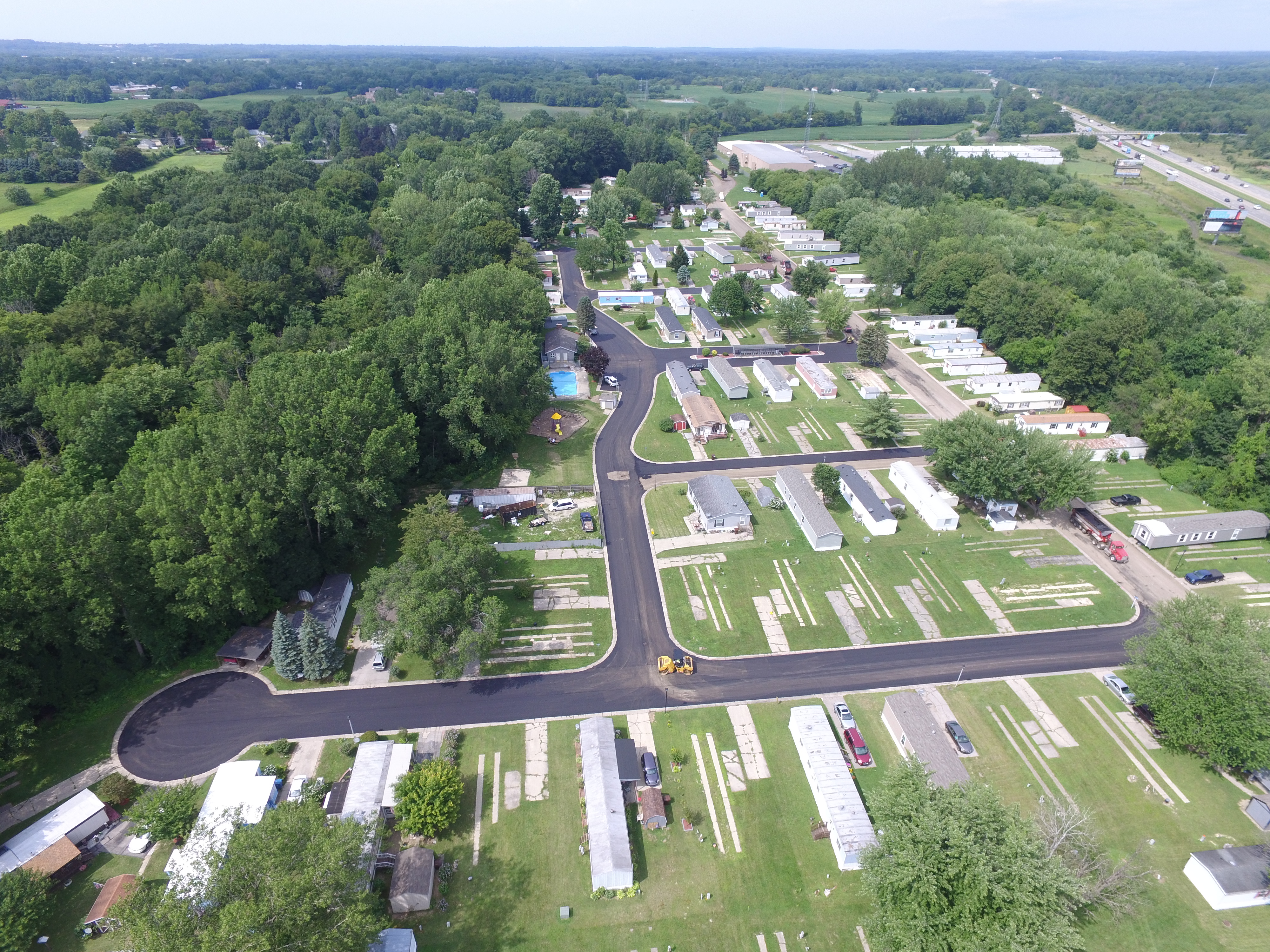
Since 2012, the technology has been deployed across 39 countries — coastal zones, marine environments, farmland and forests. The Ravenswood Trail (Menlo Park, California, 2024) was built directly along the edge of San Francisco Bay, inside a nature reserve. If you want the technical detail, the Environment page lays out the testing and certifications.
In plain terms
Three things that matter to you
Safety
Cold, water-based process, with no acute aquatic toxicity detected and not classified hazardous under WHMIS 2015.
Less disruption
The street is reused in place and reopened in hours rather than weeks: fewer detours, less noise, fewer trucks.
Public money
Materials already in place are reused and the pavement lasts longer: fewer repeat repairs paid for by taxes.
In your neighbourhood
Streets back in service the same day
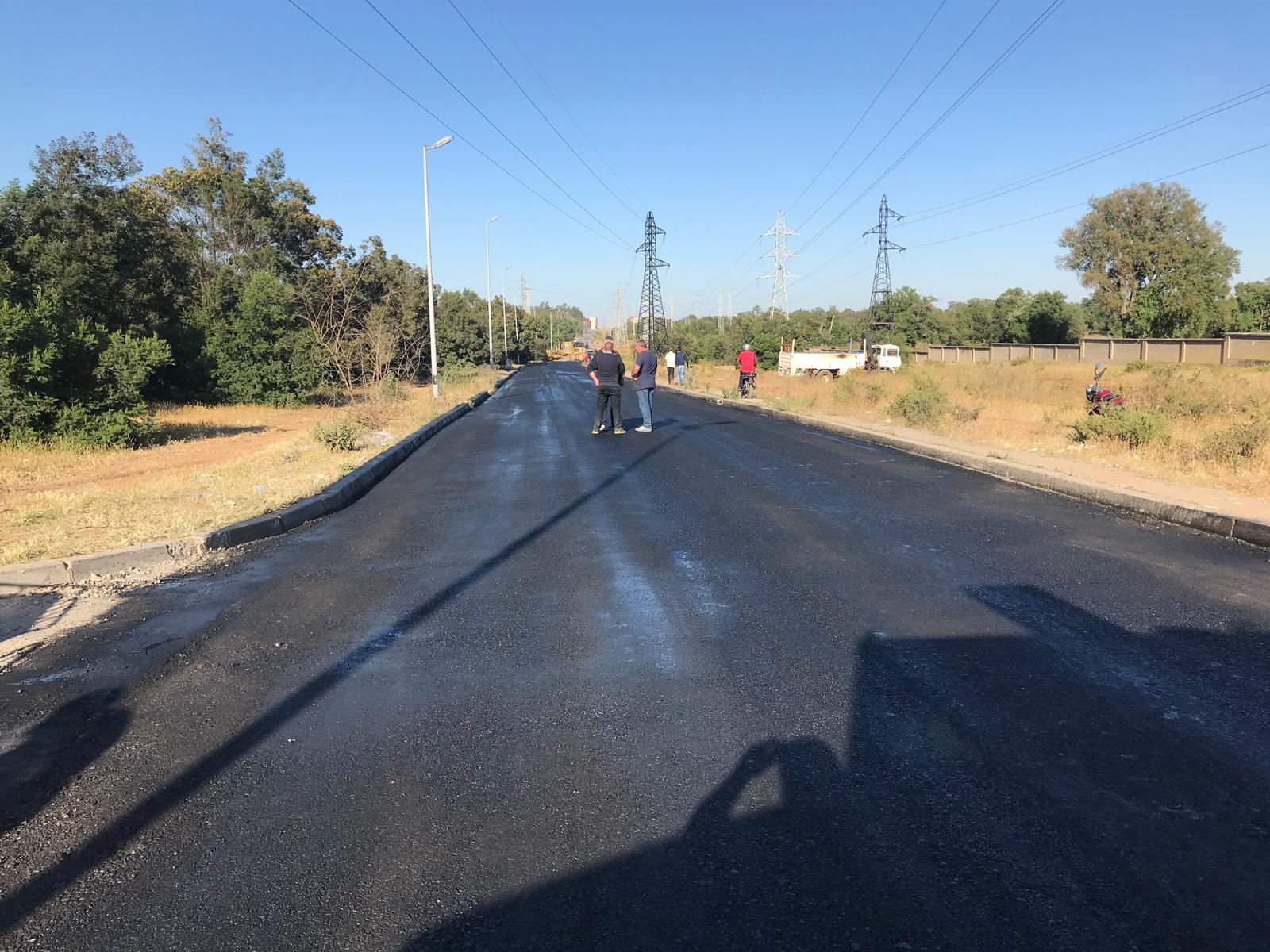
Because the road is treated in place, there is no long excavation phase and no weeks of truck traffic. Traffic usually resumes from 12 hours depending on conditions, and the bound surface resists freeze-thaw better — so fewer potholes to report the following winter.
A question about a project near you?
Write to us — and see the Environment page for the testing, methods and certifications in detail.
Write to us See the Environment page