
Application Guide · LL-TEQ™
LL-TEQ application processes
Description of works, equipment and advantages — three cold, in-place processes with no bitumen or asphalt plant.
Section 1
In-place cold pavement reconstruction with structural stabilization
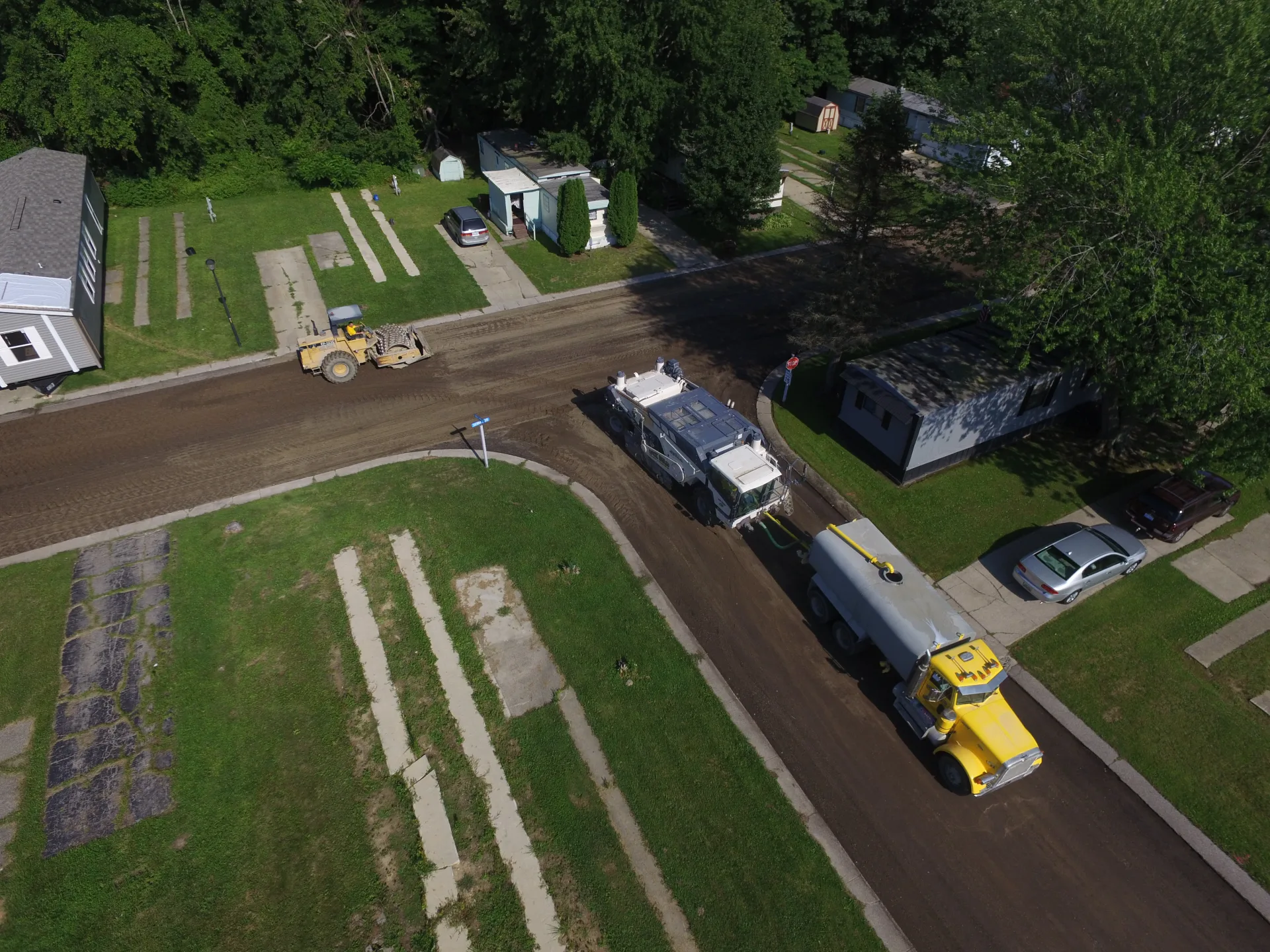
FDR — Full Depth Reclamation. For roads at end of life or with structural distress. The cold recycler scarifies and integrates LL-TEQ technology into the existing pavement in a single pass, turning the road into a monolithic, cohesive and waterproof structure.
Suggested wording for the specification
In-place cold pavement reconstruction with structural stabilization
The binder shall reach unconfined compressive strength (UCS) ≥ 1,500 psi at 28 days per ASTM C39/C42, hydraulic conductivity ≤ 1×10⁻⁷ cm/s per ASTM D5084, and thermal stability without softening at 60 °C.
The process is implemented cold and in-place. Treatment depth and dosage are determined by the project engineer based on structural design and site conditions, in collaboration with the binder supplier. Minimum compaction of 95% standard Proctor.
LL-TEQ polymeric binder or equivalent approved by the engineer.
Execution — Contractor
Project workflow
Step 1
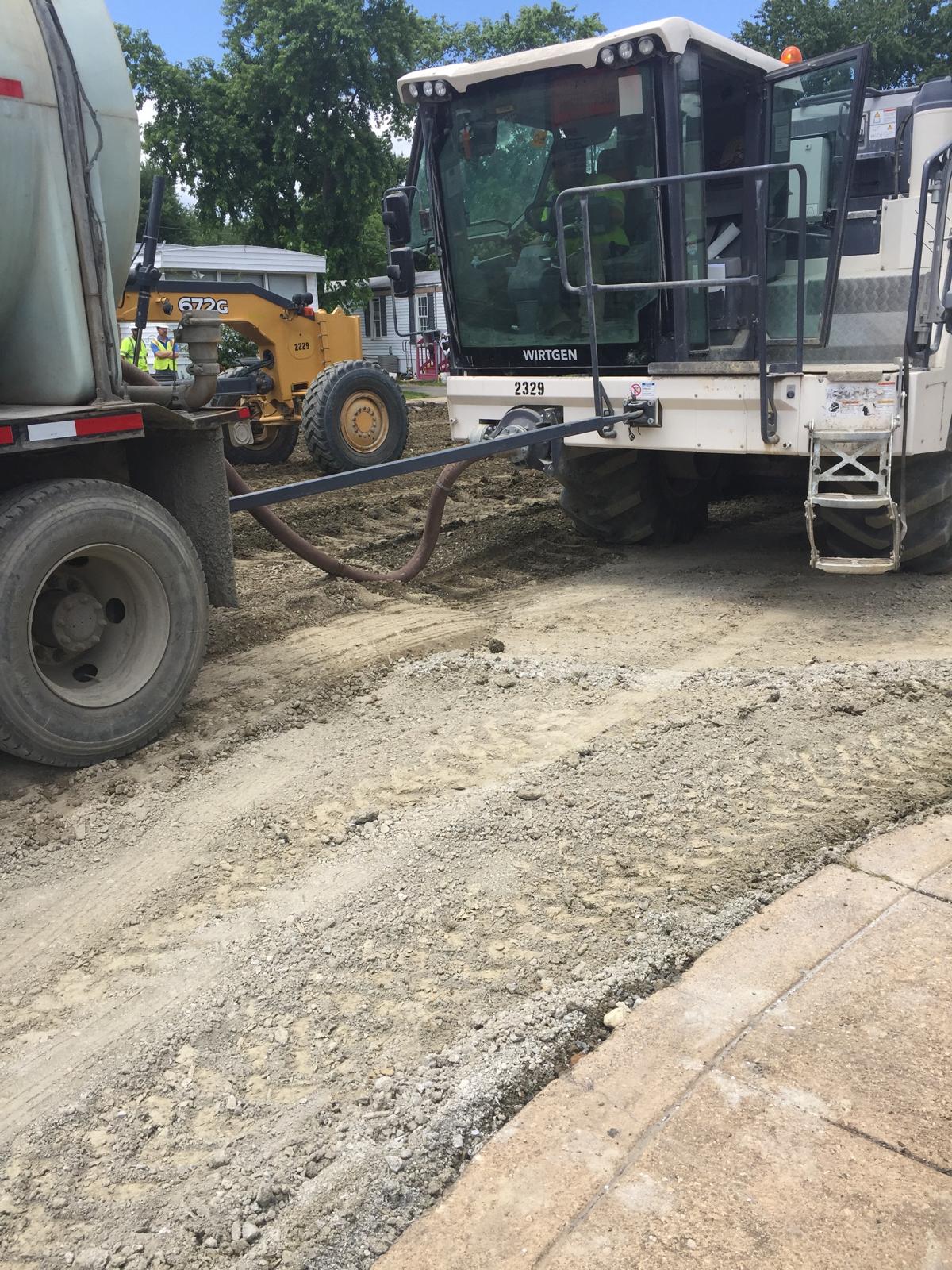
Scarification and LL-TEQ integration
The cold recycler scarifies and integrates LL-TEQ technology into the existing pavement at an average depth of 150 mm, in a single pass.
Step 2
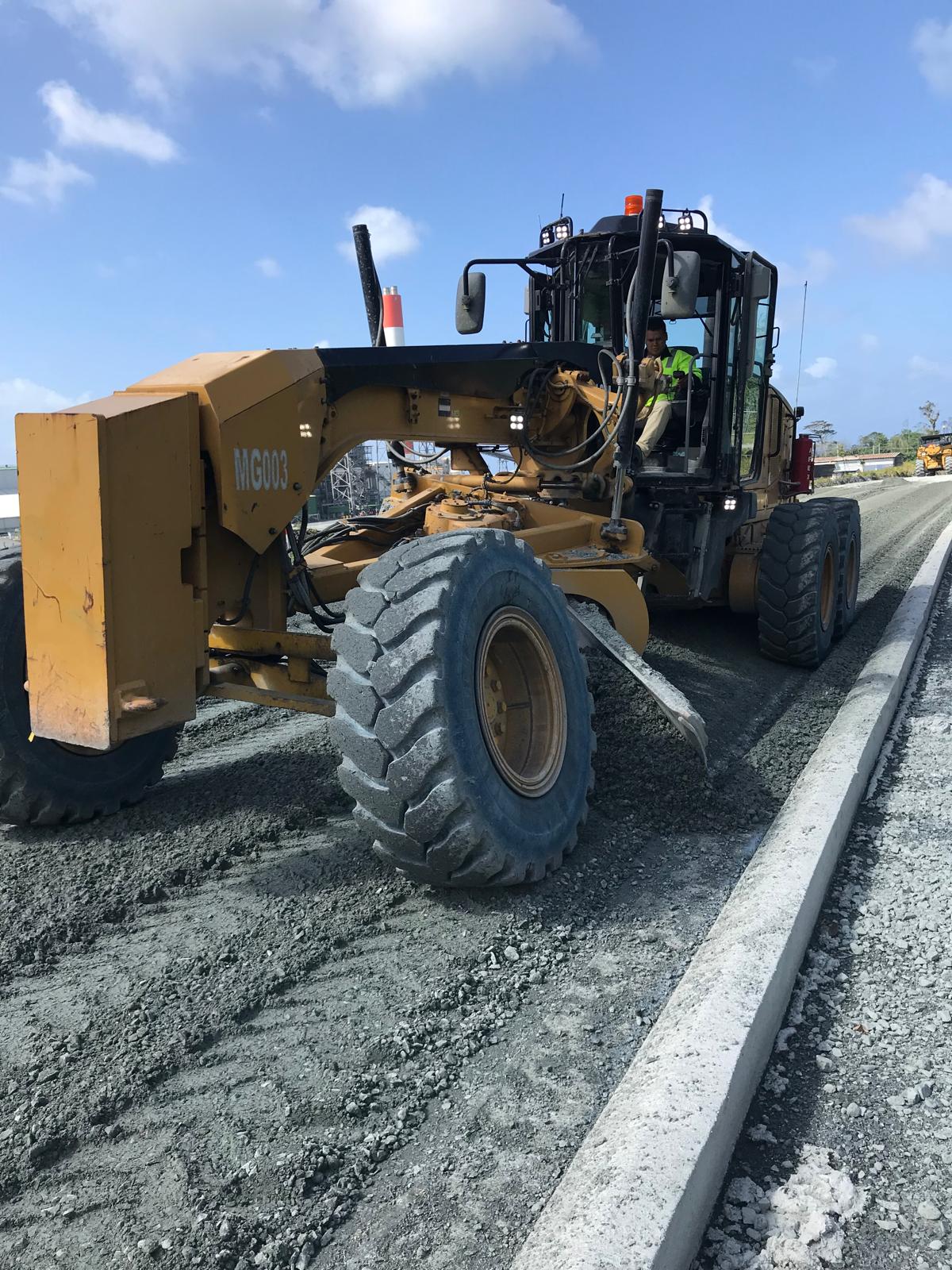
Profiling with the motor grader
The grader profiles the treated material to restore profile, slopes and crown specified in the contract documents.
Step 3
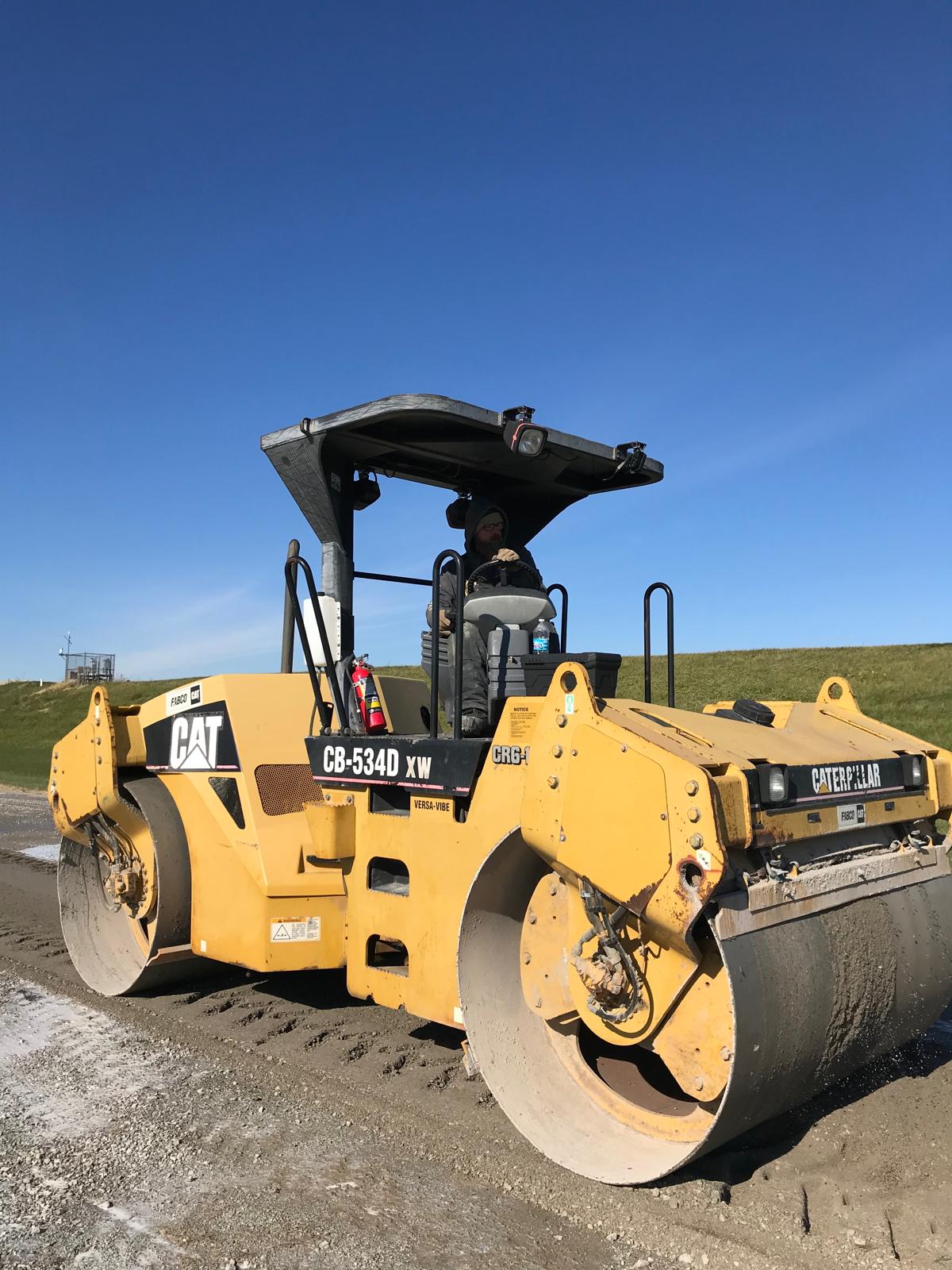
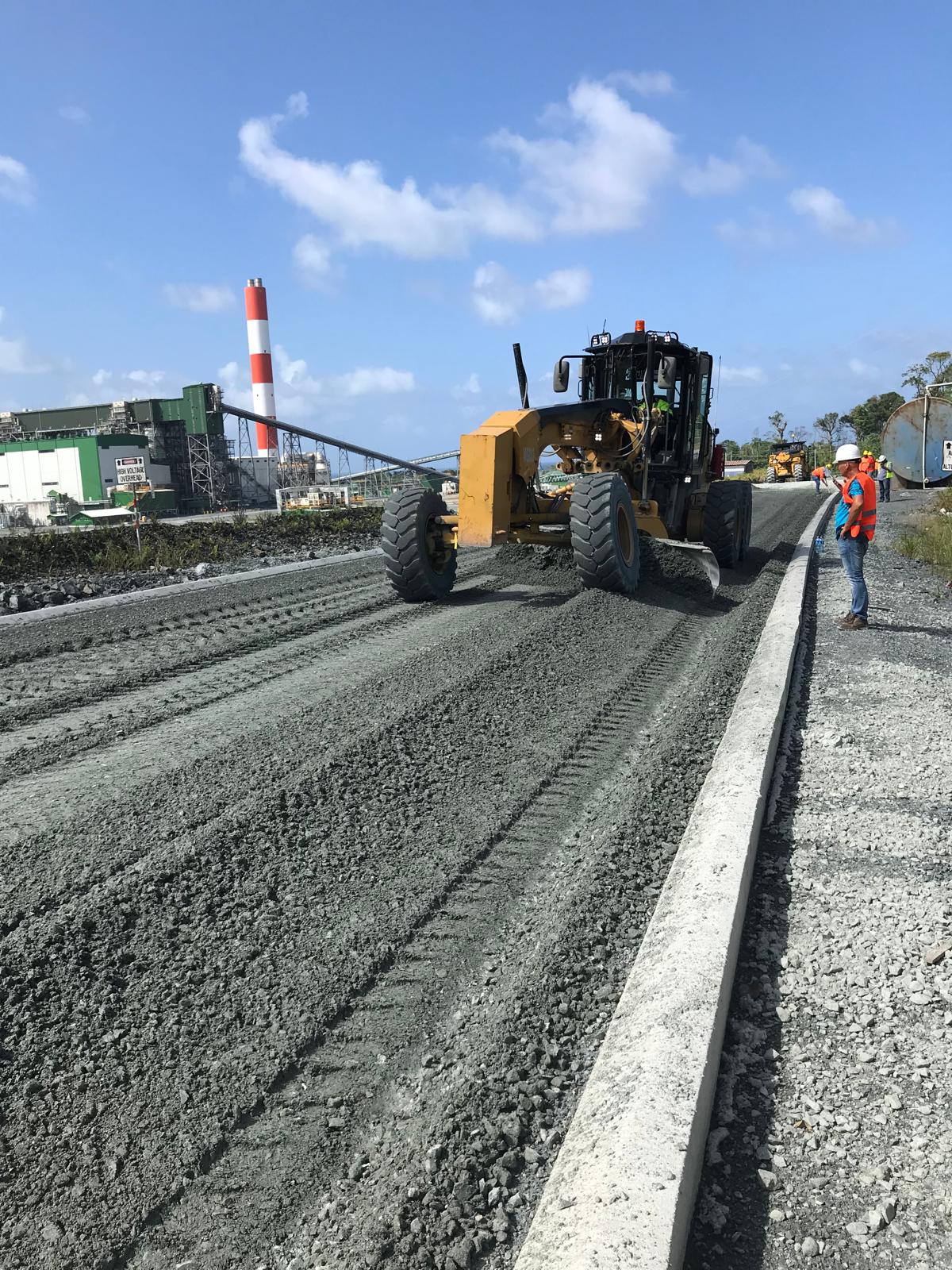
First compaction pass
The double-drum vibratory roller performs a first pass to densify the material and limit displacement.
Step 4
Final precision pass with the grader
The grader performs a final precision pass to adjust the profile to specification tolerances.
Step 5
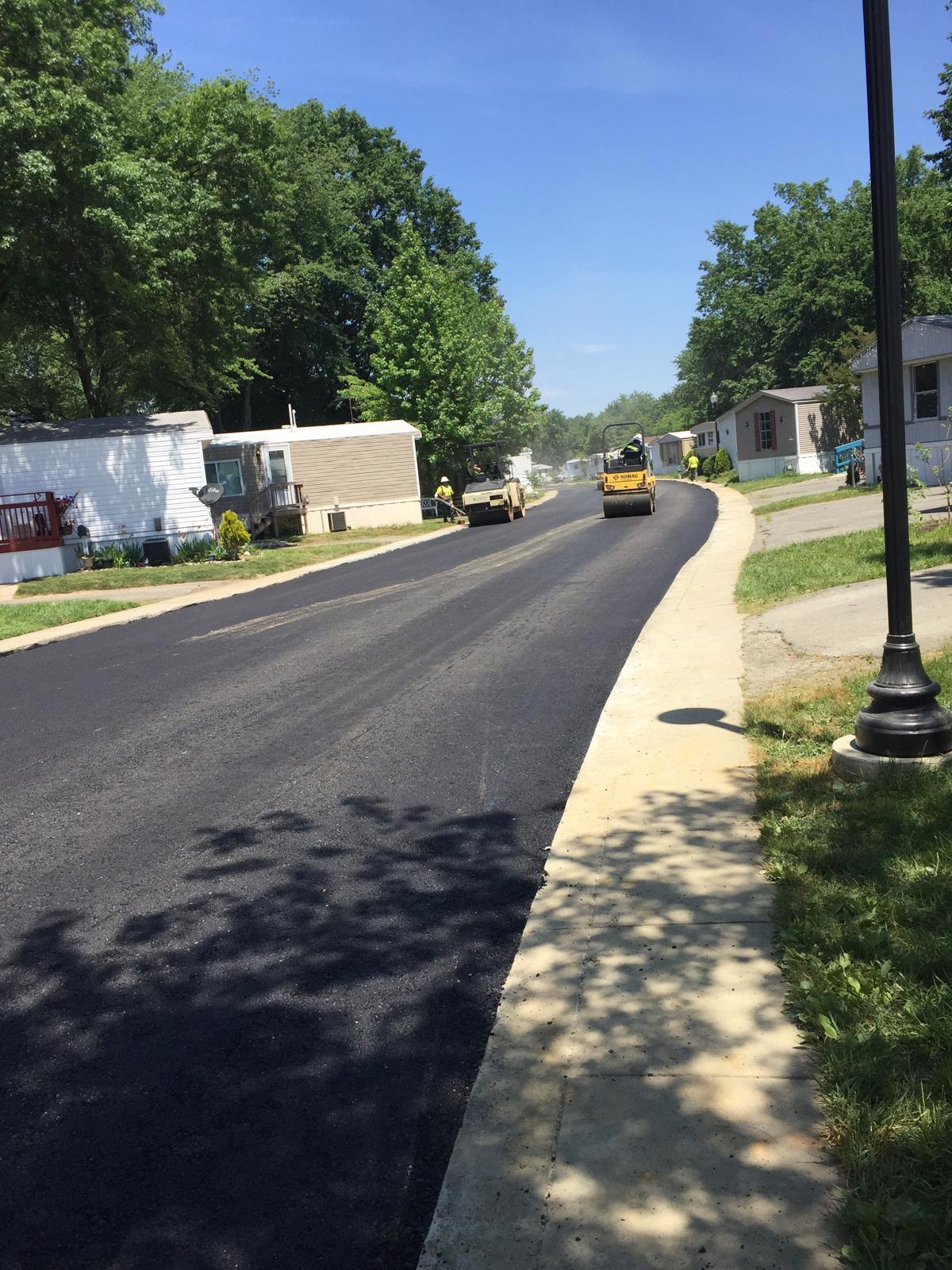
Final compaction — 95% Proctor
The double-drum roller reaches a minimum of 95% standard Proctor density.
Step 6
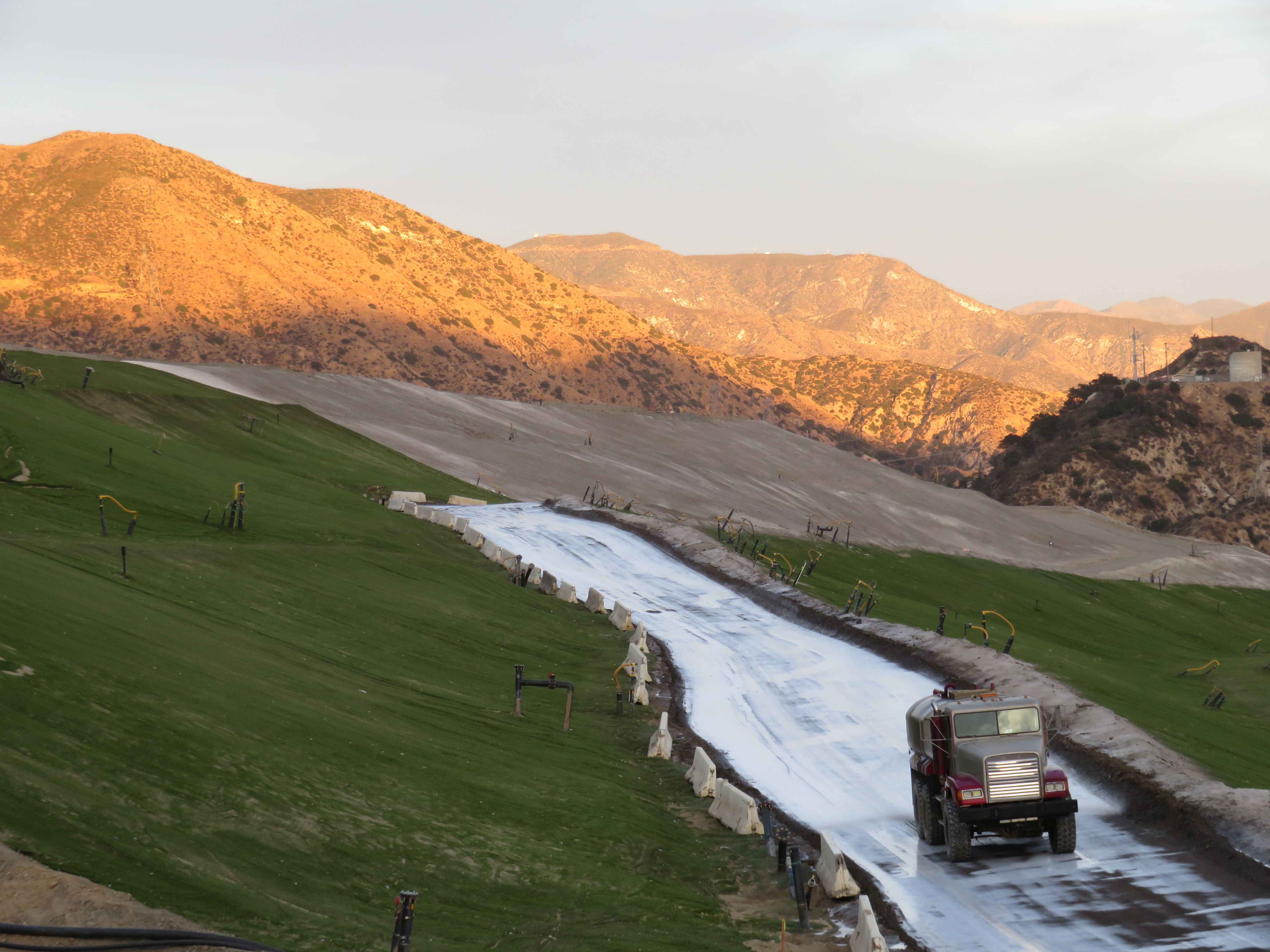
Surface sealing
Surface sealing by topical application with a spray-bar tanker, or with an emulsion distributor.
Equipment and crew
No specialized machinery required
All equipment is already commonly used in road construction. A typical crew is 7 to 8 workers.
Cold recycler
Wirtgen WR 240 / WR 250 or equivalent. Traditionally used for integrating lime or Portland cement into the structure.
Tanker truck
Tanker truck with spray bar — Freightliner M2 Water Truck or equivalent. Feeds the recycler and applies the surface seal.
Motor grader
Caterpillar 140M or equivalent. Standard profiling equipment used on all road construction sites.
Roller compactor
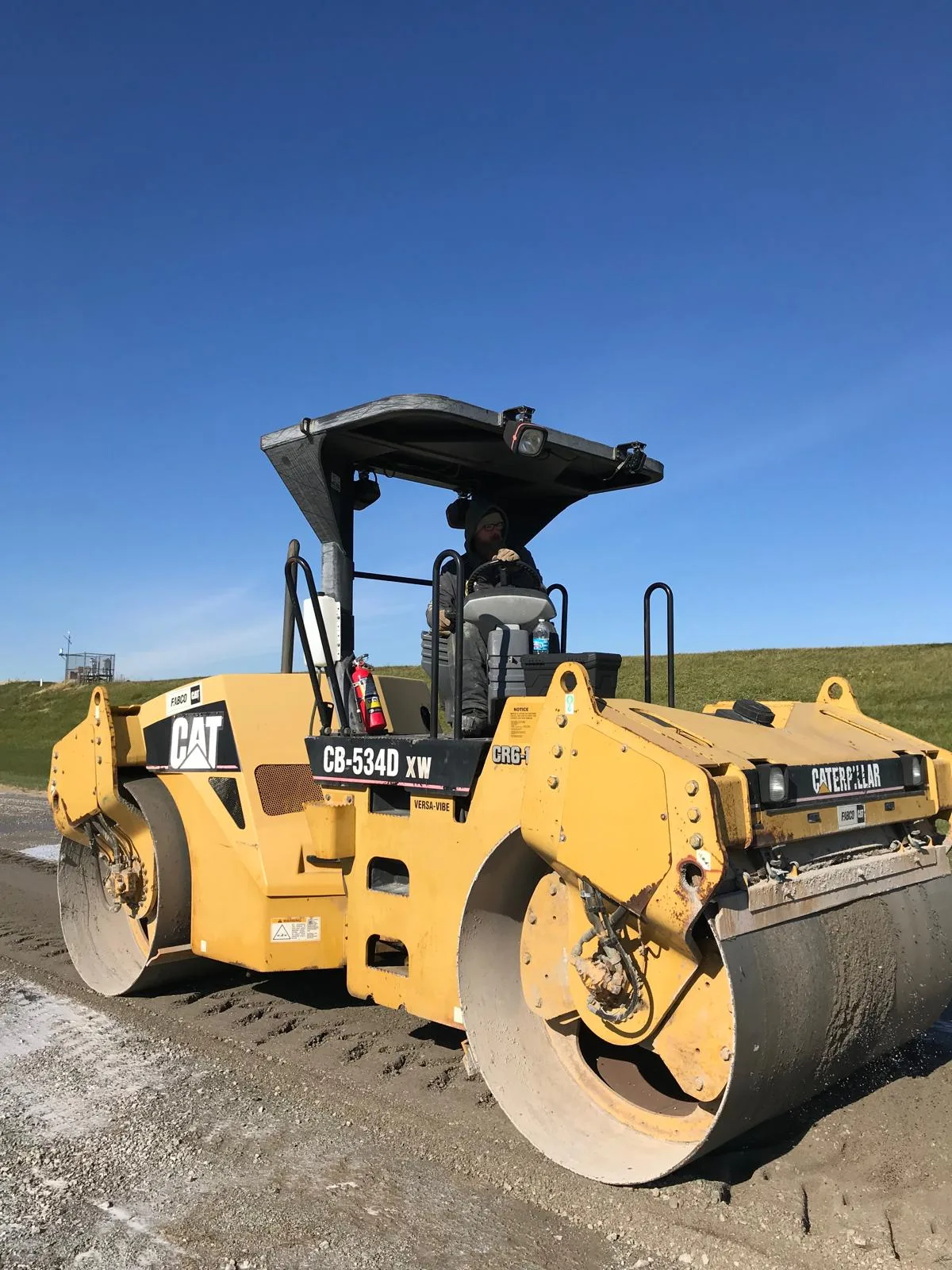
Caterpillar CB13 double-drum roller or equivalent. Standard road compaction equipment.
Section 2
In-place cold surface sealing by topical spray
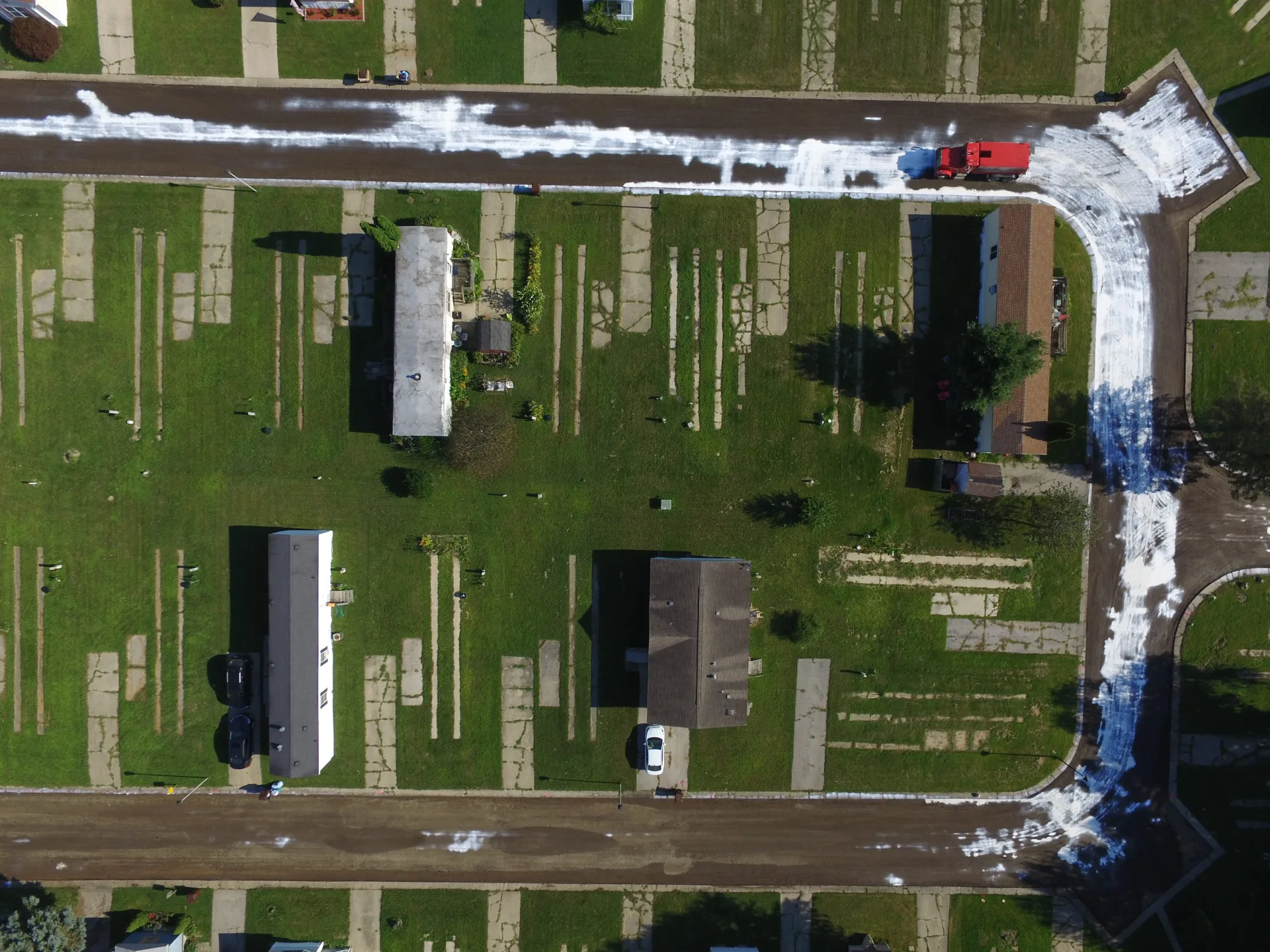
Fog Seal. For roads still in sound condition, in early or mid-life aging. The binder penetrates surface pores, restores superficial cohesion degraded by oxidation, waterproofs the surface and protects against UV.
Suggested wording for the specification
Spray-applied polymeric binder seal on existing asphalt (Fog Seal)
The binder shall penetrate surface pores, restore superficial cohesion degraded by oxidation, waterproof the surface and provide UV protection. System hydraulic conductivity ≤ 1×10⁻⁷ cm/s per ASTM D5084.
Application is cold, by uniform topical spray with a pressurized spray bar, with no aggregate. Application rate, number of coats and dosage are determined by the project engineer based on surface condition and site conditions, in collaboration with the binder supplier.
Pigmentation to specify: standard black for visual continuity, or light tone for urban heat island mitigation through increased albedo.
LL-TEQ polymeric binder or equivalent approved by the engineer.
Execution — Contractor
Project workflow
Single step
Surface sealing
Surface sealing by topical application with a spray-bar tanker, or with an emulsion distributor.
Equipment and crew
Equipment comparable to bitumen emulsions
Equipment comparable to that used for bitumen emulsions on conventional sites. A typical crew is 2 workers: 1 driver and 1 laborer.
Tanker truck
Tanker truck with pressurized spray bar — Freightliner M2 Water Truck or equivalent.
Distributor (alternative)
Emulsion distributor — Etnyre Black-Topper, Rosco RB or equivalent.
Section 3
Cold in-place pothole spot repair (APH system)
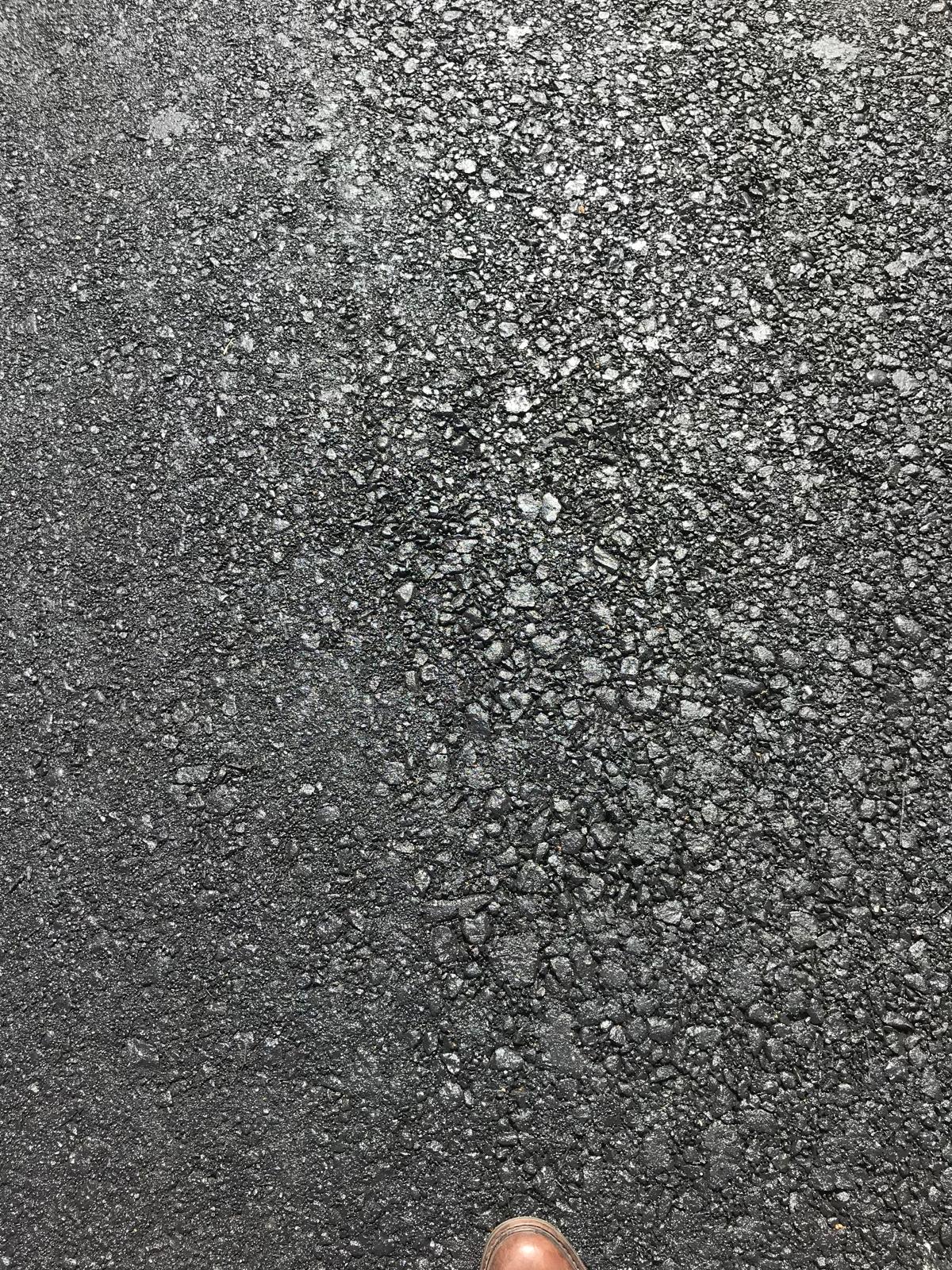
LL-TEQ™ (APH) system — Asphalt Pothole Mix. For localized pothole repair on bituminous pavement. Degraded material is removed down to stable soil, then the cavity is rebuilt with LL30 structural binder and 0–12.5 mm aggregate, compacted to refusal. Once the initial set begins, the surface is sealed with LL25. A cold process — no hot bitumen, no asphalt plant.
Suggested wording for the specification
Pothole repair with the LL-TEQ (APH) polymeric system
Localized pothole repair with the LL-TEQ (APH) system: removal of degraded material down to stable soil to a minimum depth of 150 mm (6 in), rebuild with LL30 structural binder and 0–12.5 mm aggregate compacted to refusal (95%+), then surface sealing with LL25 to full saturation.
Reference dosage: 34.5 L of LL30 per m³ of aggregate. Final grade flush with the adjacent surface, with no ridge or depression. Work performed by an LL-TEQ accredited installer; minimum 12 h cure depending on conditions before reopening to traffic.
LL-TEQ (APH) system — LL30, 0–12.5 mm aggregate and LL25 — or equivalent approved by the engineer.
Execution — Accredited installer
Project workflow
Step 1
Layout and saw-cutting (optional)
Mark the area back from the visible defect, on sound material. Saw-cutting is optional: it yields clean, straight edges, perpendicular through the full thickness of the asphalt.

Step 2
Excavation and cleaning of the cavity
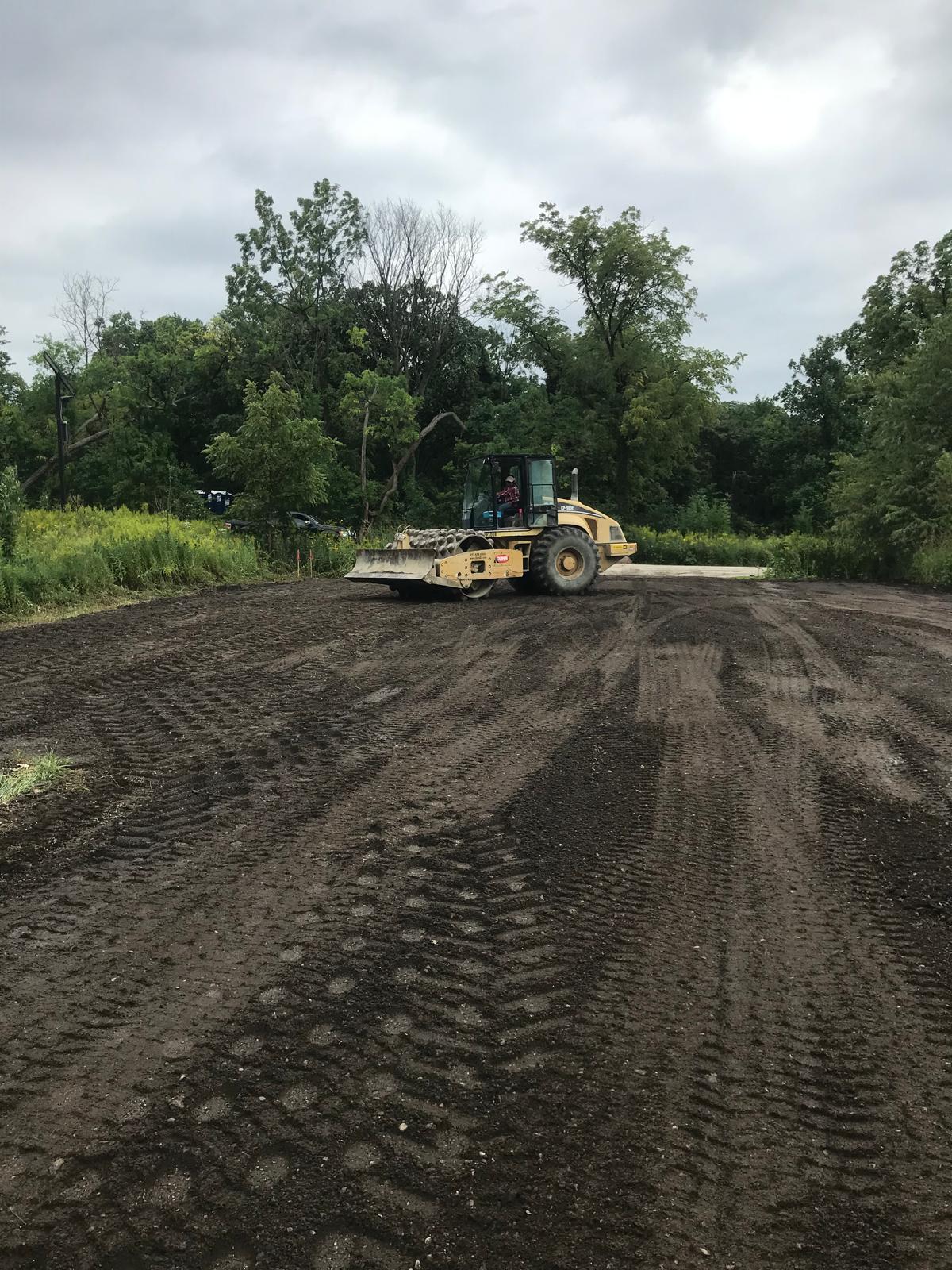
Remove degraded material to a minimum depth of 150 mm (6 in) onto stable soil. Clean the cavity — dust, debris and standing water — and confirm the base is stable before continuing.
Step 3
Mixing LL30 + aggregate
Mix the 0–12.5 mm aggregate with LL30 at a dosage of 34.5 L/m³ until fully coated. Keep the mix tarped, in the shade, and mist it hourly to maintain moisture — use within 3 h of mixing.
Step 4
Placement and compaction to refusal
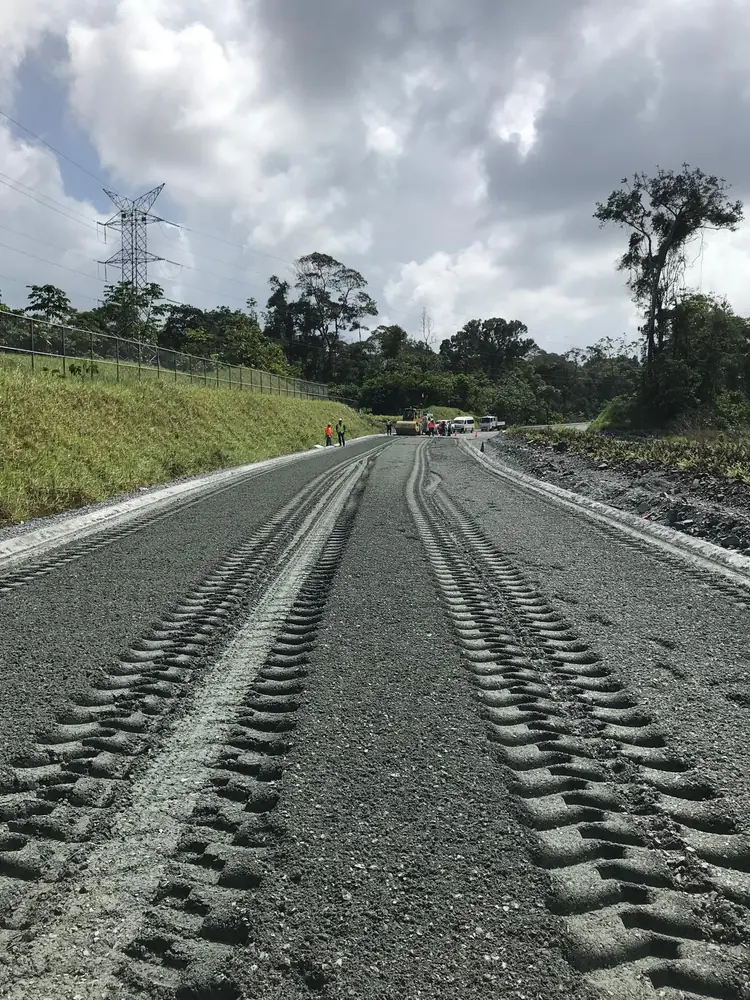
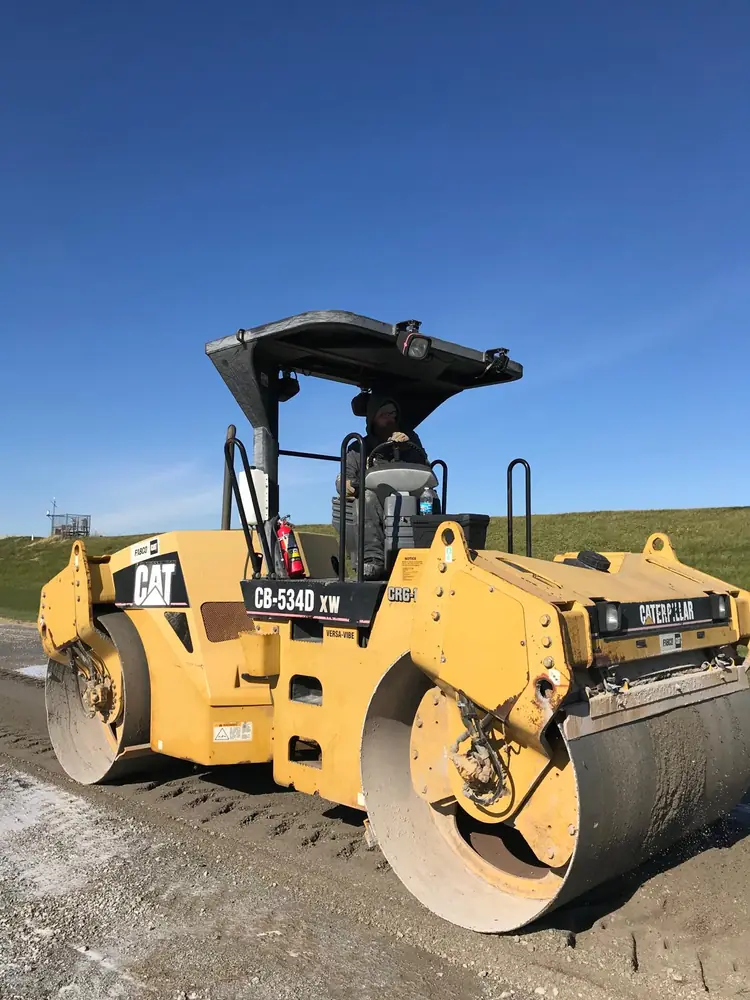
Place the mix with slight over-fill, then compact to refusal with a vibratory plate — in 75 mm lifts (50–80 kg plate) or a single 150 mm lift (90–120 kg plate). Target: 95%+. Final grade flush with the adjacent surface.
Step 5
Surface sealing with LL25
Once the LL30 begins to set, spray LL25 uniformly until the surface is fully saturated, overlapping onto the adjacent intact surface to ensure joint continuity.
Step 6
Curing and reopening to traffic
Minimum 12 h cure depending on conditions, until the surface is rigid and stable to the touch. Protect from rain during the initial cure. The LL-TEQ accredited installer judges reopening based on observed stability.
Equipment and crew
Light, transportable equipment
No heavy machinery. The equipment fits in a pickup or trailer, and a small crew handles spot repairs.
Site mixer
Useful capacity ≥ 100 L per batch to mix aggregate and LL30. For high-volume operations, a continuous mixing unit (e.g. truck-mounted Cemen Tech C60) produces directly on site.
Vibratory plate
Single plate 50–80 kg (75 mm lifts) or reversible plate 90–120 kg (single 150 mm lift). Compaction to refusal, 95%+.
Calibrated sprayer
For LL25 sealing — dedicated sprayer for spot repairs, calibrated distributor (Rosco, ETNYRE) for large volumes.
Asphalt saw (optional)
Diamond blade for clean edges when required. Hand tools: pick, shovel, wheelbarrow, broom and misting sprayer.
LL-TEQ · First projects
Full support until the crew is autonomous
LL-TEQ supports the contractor on the first projects to ensure conforming execution. Once the crew is trained and self-sufficient, the contractor carries out subsequent projects independently.
Contact LL-TEQ™