
Why LL-TEQ
Installation Process
LL-TEQ integration procedure — fast, precise, and in a single pass
One-Pass Technology
Standard equipment, simple integration, exceptional results
LL-TEQ integrates directly into standard road construction methods. The product technology is integrated in a single pass, ensuring homogeneous mixing, high execution precision, and increased efficiency. The procedure below depends on the type of application required.
Step-by-Step Process
2 application types
1. In-place cold pavement reconstruction with structural stabilization
LL-TEQ delivered to site before work begins.
Step-by-step process
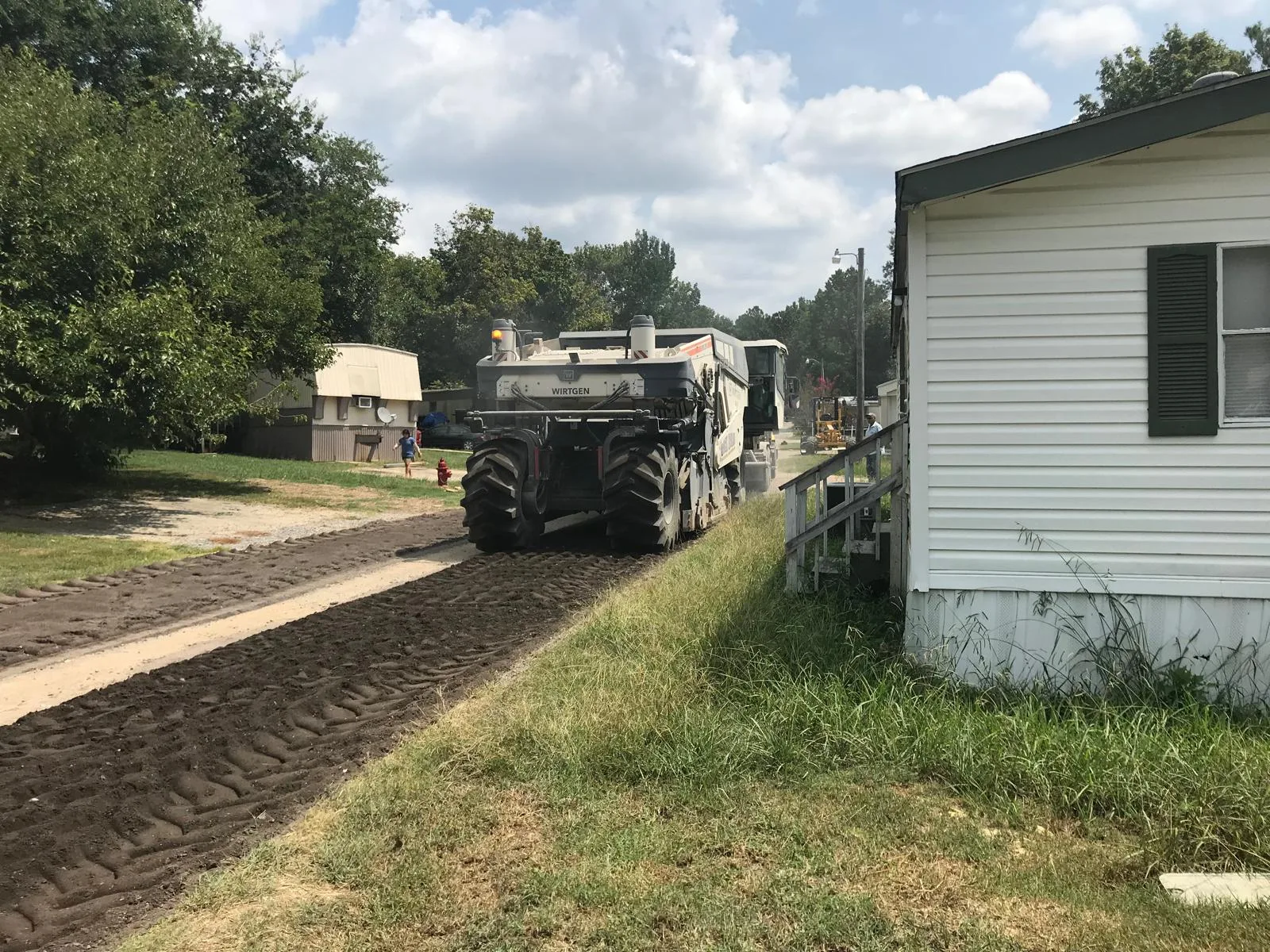
- The cold recycler scarifies and integrates LL-TEQ technology into the existing pavement at an average depth of 150 mm, in a single pass.
- The grader profiles the treated material to restore the profile, slopes, and crown specified in the project documents, ensuring geometric compliance before compaction.
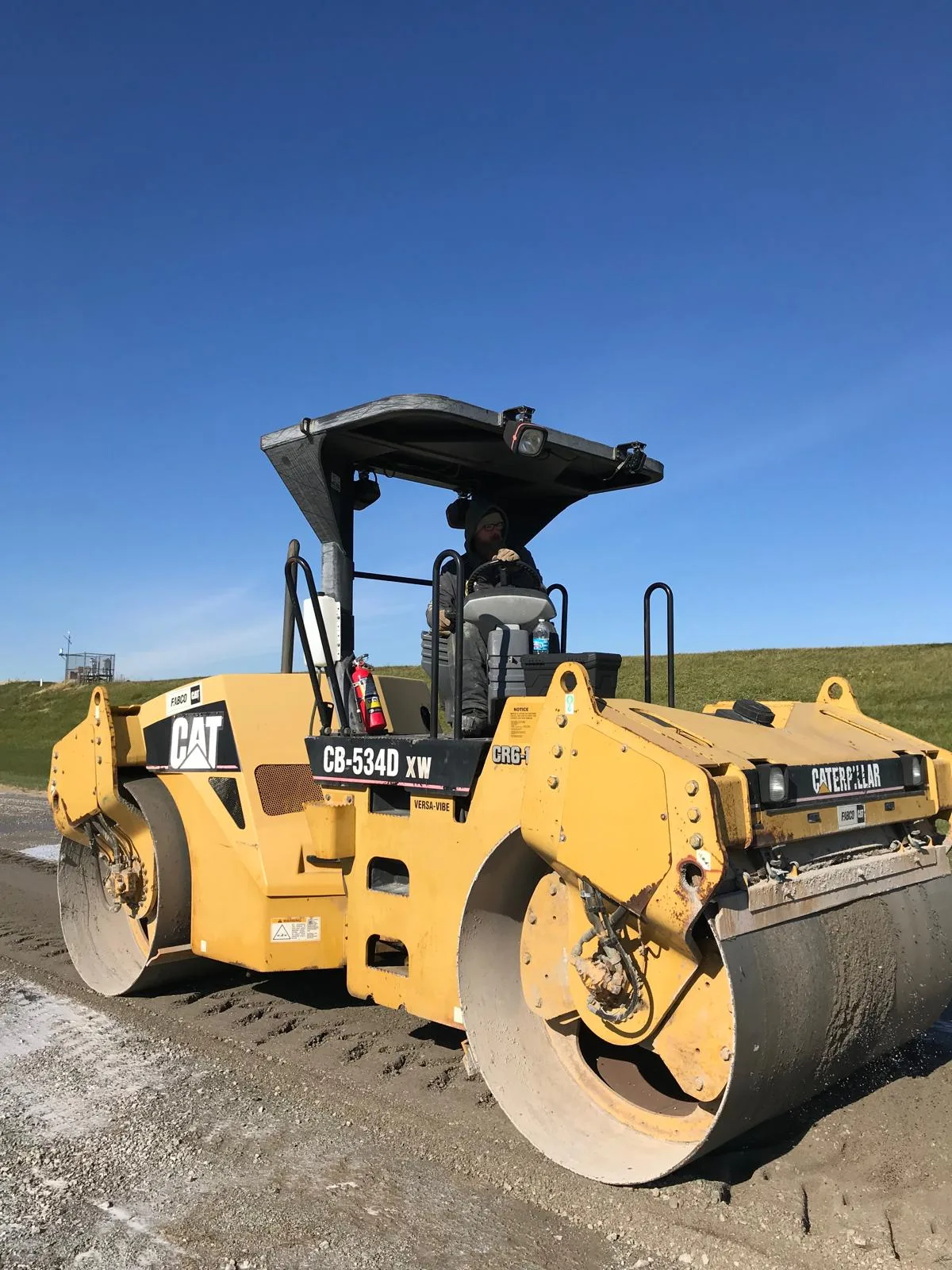
- The double-drum vibratory roller performs an initial pass to densify the treated material and limit displacement during subsequent steps.
- The grader performs a final precision pass to adjust the profile to the tolerances of the specification.
- The double-drum roller reaches a minimum of 95% of standard Proctor density.
- Surface sealing by topical application with a tanker truck and spray bar, or with an emulsion distributor. Bonds the surface to the structure, fills porosity, and waterproofs the pavement.
Standard equipment required
- Cold recycler — Wirtgen WR 240 / WR 250 or equivalent. Tanker truck with spray bar to feed the recycler — Freightliner M2 Water Truck or equivalent. Standard use: equipment used in road construction for integrating lime or Portland cement into the structure.
- Motor grader — Caterpillar 140M or equivalent. Standard use: standard profiling equipment used on all road construction sites.
- Double-drum vibratory roller — BOMAG BW 211 tandem or equivalent. Vibratory plate compactor for tie-in areas. Standard use: standard compaction equipment used on all road construction sites.
- Pressurized spray-bar tanker truck — Freightliner M2 Water Truck or equivalent, or emulsion distributor — Etnyre Black-Topper, Rosco RB or equivalent. Standard use: equipment comparable to that used for bitumen emulsions on conventional sites.
Personnel required (standard crew)
- 2 drivers: one per tanker truck (recycler feed + sealing).
- 1 recycler operator: milling, mixing, and product integration.
- 1 grader operator: profiling, slope, final shaping.
- 1 roller operator: initial and final double-drum compaction.
- 2–3 laborers: plate compactors, tie-ins, manual finishing, general support.
Total: 7–8 people, no specialized labor required.
2. In-place cold surface sealing by topical spray
LL-TEQ delivered to site before work begins.
Process
Topical application of the product directly onto the existing pavement. The product penetrates the surface layer, fills porosity, waterproofs the pavement, and extends its service life. Renewable as a maintenance coat based on porosity evolution.
Equipment required
- Pressurized spray-bar tanker truck — Freightliner M2 Water Truck or equivalent, or emulsion distributor — Etnyre Black-Topper, Rosco RB or equivalent. Standard use: equipment comparable to that used for bitumen emulsions on conventional sites.
Personnel required (standard crew)
- 1 driver: drives the tanker or distributor, controls flow rate and application rate.
- 1 laborer: general support, tie-ins, traffic control.
Total: 2 people
No plant. No heating. No transport.
Reference Section
Reference section (pilot project)
LL-TEQ is validated in laboratory and field across 39 countries — on the same materials found in Quebec: RAP, aggregates, clay, silt, sand. Testing was performed by independent laboratories in the United States and Australia under ASTM and AASHTO protocols, and in France under current NF standards. Engineering parameters are universal — a CBR is a CBR, a Proctor is a Proctor, whether the soil is from Illinois, Brittany, or Montérégie.
What the industry calls a "pilot project," we call a reference section. The technology is no longer experimental — it has been deployed for over a decade under U.S. military aircraft and on the roads of 39 countries. LL-TEQ™ offers this reference section on preferential terms for new partners, to create a visible, measurable local benchmark. Our engineers and technicians provide on-site support to ensure technical compliance and skill transfer to local crews — although the process uses standard road-building equipment and methods.
Ready to deploy LL-TEQ on your project?
LL-TEQ™ provides full technical support for contractors, engineers, and municipalities — from application planning to field execution.
Request a Technical Brief