
LL-TEQ™ · Solutions
LL-TEQ Solutions / Structural Reclamation
Pulverize the end-of-life pavement and restabilize it in place, 100 to 200 mm deep per the design load — the old material becomes the new structure.
The problem
Classic reconstruction pays for four jobs to get one road
Classic reconstruction
Excavate, haul away, import granular, lay asphalt: full reconstruction pays for four jobs to get one road.
Endless patching
When the base is done, every corrective lift lasts a season or two. The maintenance budget becomes a subscription.
The construction window
Closing an artery for weeks of excavation is a political cost as much as a financial one.
The LL-TEQ solution
LL30 mixed to depth by cold recycler, LL25 as the seal
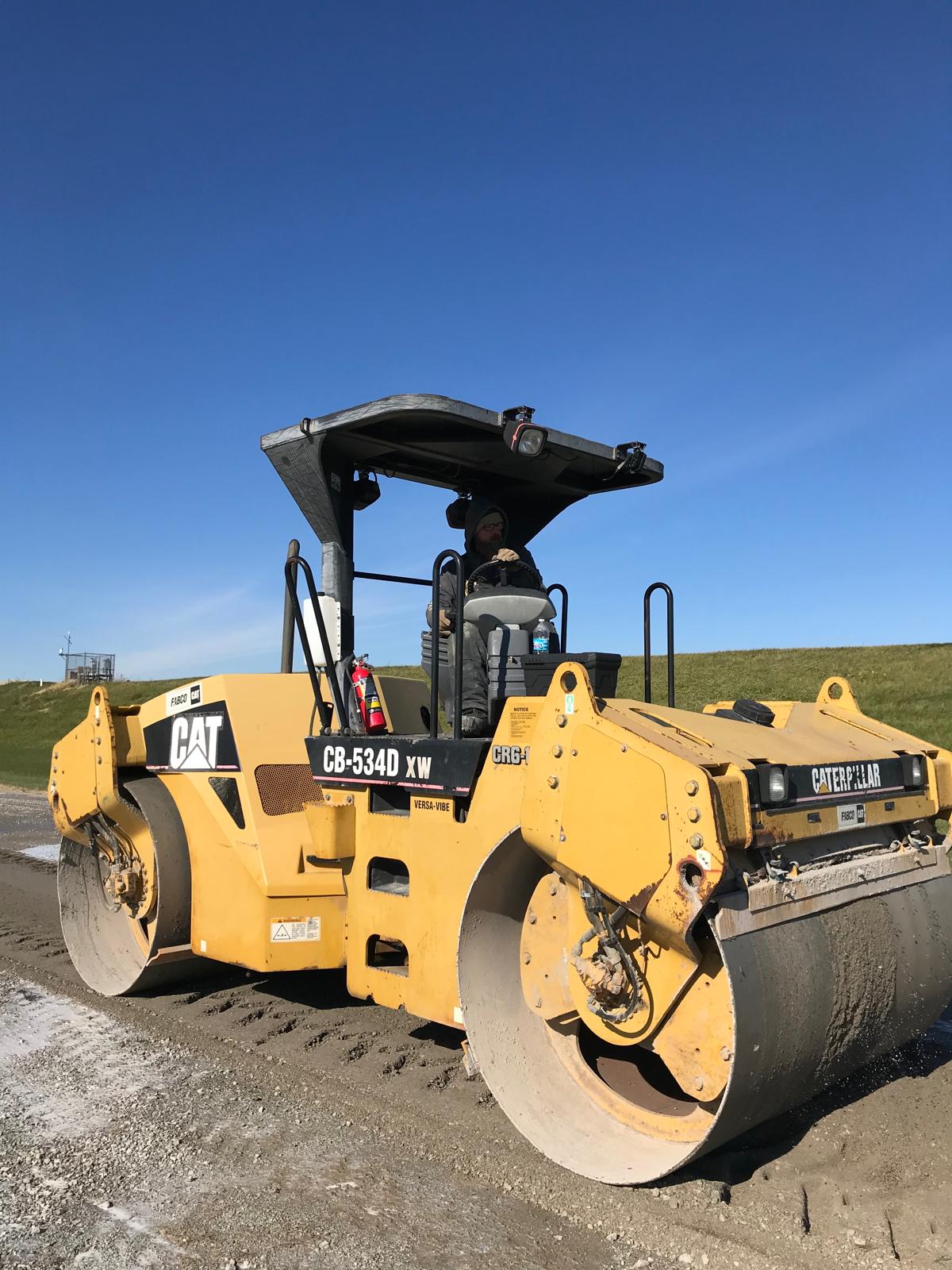
The recycler pulverizes the existing pavement and mixes the LL30 binder to the design depth — 100 to 200 mm depending on load. Grading, compaction, then the LL25 seal about 2 h after final compaction. No mass excavation, no imported granular, no asphalt plant.
- LL-TEQ: loading and depth design, SOPs, technical presence, coordination
- The contractor or the client: execution of the works with their own equipment
- Bearing capacity is designed per project, with your engineer of record
- Typical equipment: cold recycler, motor grader, tandem vibratory roller, pressurized spray-bar tanker or emulsion distributor — supplied by the contractor
How it unfolds
Five steps, from site visit to reopening
- 1. Site visit and design data collection
- 2. Formulation and loading design (depth × charge per m²)
- 3. Delivery coordinated with the contractor
- 4. Execution by the contractor — LL-TEQ technical presence on the first jobs
- 5. End-of-site technical report and traffic-reopening recommendation
The evidence
The stabilized LL30 material measured by third-party labs
1,310 – 3,705 PSI
Corrected compressive strength of the stabilized LL30 material — 16 specimens, 2 independent laboratories, 2016–2023, ASTM C39/C42. Technical memos and design notes on request.
1.78 mm @ 20,000 passes
Hamburg rut depth: 1.78 mm after 20,000 passes (AASHTO T-324, 25 °C). Technical memos and design notes on request.
a₂ = 0.21 – 0.30
AASHTO 1993 structural coefficient recommended for an LL30-stabilized base, ready to integrate into CHAUSSÉE 2 by your engineer. Technical memos and design notes on request.
The frame
What's included — and what isn't
Included in the LL-TEQ solution
- Site visit and design data collection
- Project-specific specifications and execution procedures
- Project-tailored loading and depth, produced after quote acceptance
- Coordinated delivery and technical briefing of operators (LL-TEQ SOPs)
- LL-TEQ technical presence on the first jobs
- End-of-site technical report and return-to-service recommendation
- Typical equipment list supplied with the execution procedures
Done by the contractor or the client
- Execution of the works with their own equipment
- Signage and traffic management
- Access control during curing
- Permits and authorizations
- Drainage works and marking
LL-TEQ is not a general or specialized contractor under the Building Act (CQLR, c. B-1.1) and holds no RBQ licence. A certificate of authenticity and product compliance, issued by the manufacturer, is provided.
The price
How the price is set
Every solution is quoted per m². The price follows from the loading design: the treatment depth and the product charge per m², set by our engineering design for your project. No published figure replaces a design — every quote is generated per project.
Environment
Recycling the road in place is also a carbon story
≈ 9.6 kg CO₂e/m²
vs ≈ 55 kg CO₂e/m² for an asphalt reconstruction — approximate calculation.
Material recycled in place
The existing pavement becomes the new structure: no mass excavation, no granular hauling, no asphalt plant.
Non-toxic runoff
Acute toxicity testing on simulated runoff water: no acute toxicity observed (EPA methods 2000.0 / 2002.0, Coastal Bioanalysts, 2013). No soil contamination and no alkalinization.
FAQ
Frequently asked questions
When does the road reopen?
The LL25 seal is applied about 2 h after final compaction; reopening to traffic is the subject of a written recommendation in the end-of-site report, depending on site conditions.
What treatment depth?
100 to 200 mm — this is a design parameter, determined by the traffic load and the condition of the in-place material, not a catalogue option.
What service life?
The stabilized LL30 material is documented by third-party testing (UCS 1,310 – 3,705 PSI; Hamburg 1.78 mm @ 20,000 passes) and a signed AASHTO 1993 framework. The design on file sets the targeted service life for your traffic.
What weather windows?
The treatment is executed outside freezing conditions and active rain, on unfrozen material — the practicable windows in Québec are set out in the SOPs and confirmed at project scheduling.
An end-of-life pavement?
Tell us about your site — we come back with a design and a per-m² quote.